
Article page checkbox is not checked in page info.
Sports tourism: A strategic tool for sustainable and balanced EU tourism
Sports tourism: A strategic tool for sustainable and balanced EU tourism
Mathias Gullentops with Rebecca Hausner, Members' Research Service
Summary
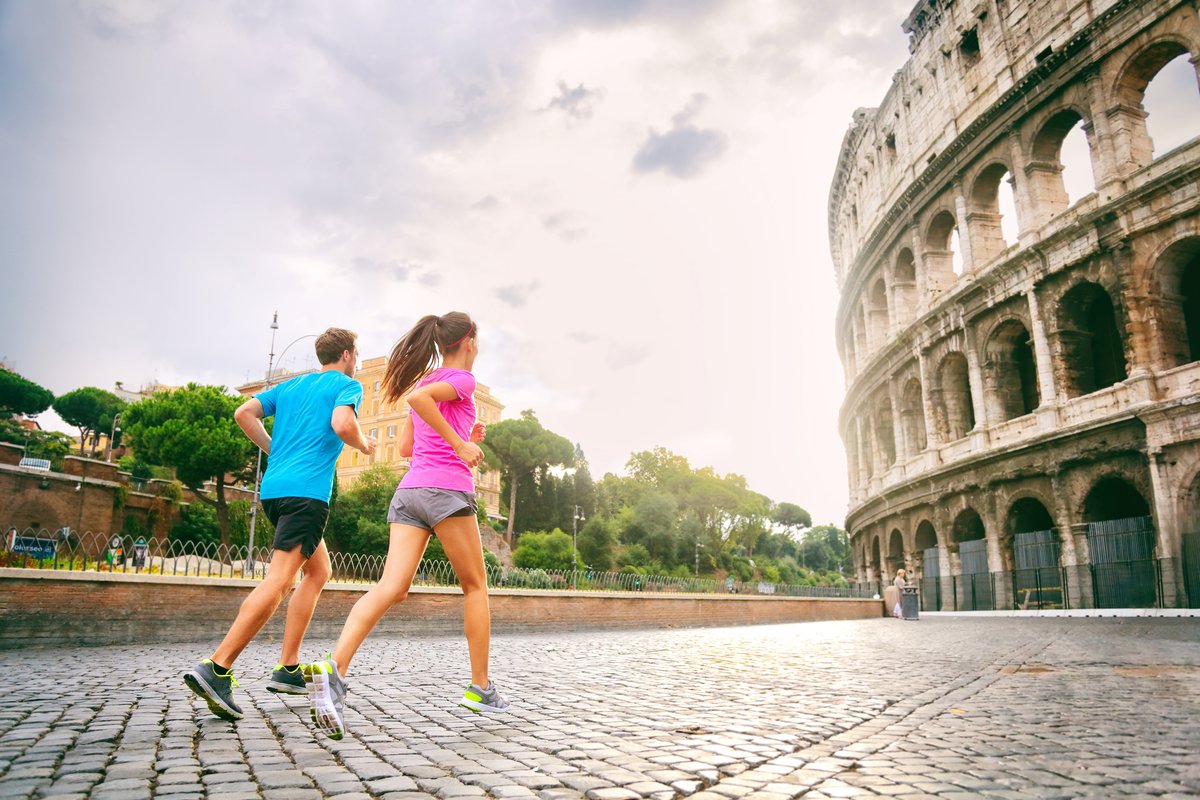
Sports tourism is a growing branch of the EU tourism economy, encompassing both active participation in sports and attending spectator events. Defined by the UN specialised agency for tourism as travel experiences involving watching or participating in sporting events, it has evolved into a significant economic force, valued at approximately €585 billion globally and accounting for 10 % of the total tourism market.
The EU has recognised the potential of sports tourism as a strategic tool for regional development, capable of addressing common tourism challenges, such as seasonality and overtourism, by attracting visitors during off-peak periods and to emerging destinations.
Benefits of sports tourism extend across economic, social, health and environmental dimensions. Economically, the sports sector generates employment, with over 6 million jobs directly linked to sports across the EU, many of which are linked to the visitor economy. Further multiplier effects create additional value through supply chain impacts. Beyond immediate revenue generation, sports tourism can serve as a catalyst for infrastructure development, destination branding and long-term urban revitalisation. For individuals, active sports tourism provides health benefits and serves as a preventive health investment. Rural areas, in particular, benefit from sports tourism as it can diversify local economies, boost infrastructure improvements and provide visibility for less-visited regions. However, it is important to design policies that promote a sustainable and inclusive form of sports tourism that addresses the needs of all stakeholders involved and respects the unique local social and environmental context to avoid negative impacts associated with poorly managed mega-events, such as overcrowding, displacement and unsustainable public debt.
This briefing has been produced at the request of a member of the European Committee of the Regions, in the framework of the Cooperation Agreement between the Parliament and the Committee
Introduction
While constituting supporting EU competences as defined in Article 6 of the Treaty on the Functioning of the European Union (TFEU), both sport and tourism play an important role in the EU's economic and social development. The UN World Tourism Organization (UNWTO or UN Tourism) and later the European Commission have noted that both sectors have potential for growth, providing opportunities for self-fulfilment and new leisure experiences for individuals. Combining the two sectors can enhance their individual effects and benefits.
UN Tourism describes sports tourism as 'a type of tourism activity which refers to the travel experience of the tourist who either observes as a spectator or actively participates in a sporting event generally involving commercial and non-commercial activities of a competitive nature'. Similarly, in its 2018 policy paper, the European Commission defines sports tourism as tourism in which the tourists' involvement in sports activities represents the essential motivational reason for travelling. It can be divided into two main subtypes: active and passive.
Active sports tourism
Active sports tourism occurs when participation in physical sporting activities is the main or a significant motivation for choosing a particular travel destination. Tourists actively engage in such activities while travelling, either through participation in organised competitive events or through recreational pursuits. Examples include competitive events such as destination marathons; outdoor activities such as skiing and mountain climbing, recreational pursuits including hiking, sailing and cycling tours, as well as training camps and retreats for activities such as yoga or surfing.
According to the UNWTO (2001), customer groups can be classified as between top- and second-level athletes, youth groups, sports enthusiasts and tourists who practise sport while travelling or on a casual basis. Different destinations can adapt their offerings to the specific needs of each group.
Passive sports tourism
Destinations can also attract visitors as spectators, with sport being the main motivation for travel even without active physical participation. This includes both major international events such as the Olympic Games or World Cups, as well as smaller-scale recurring sporting events such as away games. Sports heritage tourism, including stadium tours and sports museums, also plays a significant role in drawing in visitors.
EU sports tourism policy
The Lisbon Treaty (TFEU), in which tourism was explicitly listed for the first time, provided the EU with the means to create a favourable environment for tourism and to promote cooperation between EU countries in this sector. Article 195 TFEU states that the EU 'shall complement the action of the Member States in the tourism sector, in particular by promoting the competitiveness of Union undertakings in that sector'. The EU plays a similar role with regard to sport. Article 165 TFEU forms the legal basis for EU sports policy, stating that the 'Union action shall be aimed at developing the European dimension in sport'.
Making EU tourism more competitive while also being mindful of sustainability is a main goal of EU tourism policy. To achieve this goal, various strategies have been drafted in recent years. Sport is regularly mentioned as an element of tourism strategies in the context of efforts to diversify the tourism offer.
In its 2010 communication entitled Europe, the world's No. 1 tourist destination – A new political framework for tourism in Europe, the Commission explores the potential for further tourism development. This includes capitalising on major cultural and sporting events to a greater extent, as well as adding value to themed European or multinational products, particularly at large-scale tourism fairs or exhibitions. The implementation rolling plan that followed this communication led to a series of actions aimed at enhancing the European tourism offer. The main deliverables of this action framework included co-funded projects, seminars and promotion and awareness-raising initiatives.
The European Parliament's resolution of 29 October 2015 on New challenges and concepts for the promotion of tourism in the EU notes how the Commission's action framework implementing the 2010 tourism communication 'stresses the potential of sports tourism, which could in the future become one of the most dynamic sectors in the developing European travel industry'. It points out how sporting activities increase the attractiveness of Europe's regions to tourists and 'highlights the opportunities arising from travel by athletes and spectators in the run-up to sports events and during those events, which can attract tourists to even the most remote areas'.
In its 2018 policy paper entitled 'Mapping smart specialisation strategies for sport, the Commission notes the role of smart specialisation strategies like sports tourism for regions within the Europe 2020 strategy (the EU's framework for smart, sustainable and inclusive growth). Sports tourism offers regions the potential to counter traditional tourism seasonality through sports events, thereby potentially increasing visitor number during low seasons and reducing the effect of overtourism during high seasons. In the same year, the European Commission established the SHARE (SportHub: Alliance for Regional Development in Europe) initiative, raising awareness of the importance of sports and physical activity for regional and local development. The initiative ran until 2023 and was followed by SHARE 2.0, which focuses on access to EU funding, health, innovation and sustainability in the area of sport.
In its resolution of 19 June 2020, Parliament highlights the role that sport plays in tourism, noting that sporting events can make Europe's regions more attractive to visitors. In a subsequent resolution of 25 March 2021 on establishing an EU strategy for sustainable tourism, Parliament further emphasises the potential of sporting events, while also underlining the importance of improving the sustainability of major events.
In its 2022 EU agenda for tourism, the Council of the EU formulates the three main goals of the agenda as being: 1) increasing the resilience of EU tourism services and destinations while also making the sector both 2) greener and 3) more digital. A key measure to this end is support for the diversification of tourism services across seasons and locations. The transition pathways for tourism programme, launched in the same year, sets out the measures and outputs needed to accelerate the green and digital transitions and to improve the resilience of the tourism ecosystem. It emphasises the role of smart and sustainable strategies for tourism, noting that destinations should build on their specific strengths to create unique and authentic experiences for visitors. Both cross-border cooperation and smart specialisation strategies can play a role and can be particularly beneficial for outermost regions. Sport is one such specialisation strategy.
In its opinion of 9 February 2024 on building a values-based, bottom-up European sports model, the European Committee of the Regions stressed that the EU is an attractive destination for holding global events and competitions, as well as for developing innovative policies for sports-related tourism and mobility. This is due to the experience gained and a growing focus on the legacies that such events create, particularly in terms of improving the liveability of cities, stimulating economic growth, enhancing infrastructure and fostering community cohesion.
The ongoing revision of the EU's Package Travel Directive aims to strengthen consumer protection for when booking travel packages. This revision is expected to affect, inter alia, the booking of travel packages linked to major sporting events. Key changes include enhanced rights to cancel without penalty in unavoidable circumstances, improved insolvency protection to ensure that refunds are covered if tour operators go bankrupt, and new rules requiring explicit consent before accepting vouchers instead of refunds when events are postponed. The legislative process is currently in the interinstitutional negotiations stage, with trilogue negotiations now underway to reach a final compromise.
In its 2026 work programme, the Commission is building on its work from 2022 and has announced that it will propose a new non-legislative EU sustainable tourism strategy in early 2026. Key elements of the proposal, as explained by Commission representatives during a meeting of Parliament's Committee on Transport and Tourism (TRAN) on 5 November 2025, focus on the diversification of destinations through increased connectivity and more balanced tourism streams. At the Global Tourism Forum 2025 in Brussels, Commissioner for Sustainable Transport and Tourism Apostolos Tzitzikostas noted that the strategy aims to address unbalanced overtourism experienced by several popular destinations across the continent and promote sustainable growth. In parallel, Parliament is working on its own-initiative report entitled 'Enhancing connectivity, preserving cultural heritage and driving local excellence in European tourism', which also focuses on increased connectivity and the empowerment of destinations for balanced growth. The draft report highlights sport as a form of specialised tourism that creates opportunities for peripheral regions.
Benefits for human health and well-being
In 2015, the UN established 17 Sustainable Development Goals (SDGs) through which countries worldwide collectively pledged to eradicate poverty, pursue sustainable and inclusive development, ensure the protection of human rights for all, and ensure that no one is left behind by 2030. The EU made a positive and constructive contribution to the development of the UN 2030 Agenda for Sustainable Development.
Within this framework, physical activity supports SDG 3, which aims to ensure healthy lives and well-being for all at all ages. The EU is committed to implementing the SDGs, including SDG 3.
The World Health Organization (WHO) recommends at least 150 minutes of moderate-intensity physical activity per week. This echoes the Council's 2013 recommendation on promoting health-enhancing physical activity across sectors.
Engaging in physical activity can have positive health impacts on individuals. In its 2019 report on Walking Tourism – Promoting Regional Development, the UNWTO notes that sports tourism 'enhances physical and mental well-being of participants'. Likewise, the EU's SHARE initiative, in its 2023 report, emphasises how active tourism can 'promote healthier lifestyles and a healthier environment'. As with other sport-related activities, active sports tourism can have physical health benefits for participants such as improved cardiovascular fitness, weight management and disease prevention. Both active and passive forms of sports tourism may also help reduce stress by promoting social connection and achievement.
Motivation for physical activity can be increased through travel, as destination experiences enhance participation in sports. According to the SHARE initiative's 2023 report, the combination of nature experiences with outdoor sports can support the successful development of active tourism. National Geographic has noted how the 'seductive symbiosis' of combining watching one's favourite team or running a marathon and visiting a naturally beautiful destination creates a convincing motivation for travel.
According to the UNWTO (2021), consumer preferences during the pandemic shifted towards nature, rural tourism and road trips, as travellers preferred outdoor experiences away from crowds due to pandemic limitations. In this context, experiences addressing 'sustainability, authenticity and localhood' started gaining popularity, and rural tourism and nature-based experiences became more popular.
A 2021 Eurobarometer survey on Europeans' attitudes towards tourism showed that 82 % of EU citizens are prepared to change some habits to support more sustainable tourism. Active rural sports tourism can address these new customer demands for a more sustainable nature-based way of traveling.
Economic and social benefits for host destinations
Economic benefits
Visitors spend on transport, accommodation, food/drinks and local services, thereby providing income to local businesses. Against this background, a Commission policy paper from 2018 highlights the 'significant growth' of the sports tourism sector and notes its potential to generate off-seasonal revenue streams. This potential is particularly relevant given that seasonality remains a major factor shaping income patterns and visitor distribution in the tourism industry: overall, one in four trips by EU residents takes place in July or August. The concentration is even more pronounced in coastal regions, with seven coastal EU NUTS2 regions receiving over half of their yearly visitors during these two months. In contrast, activities such as trail running or sporting events organised during low seasons can provide visitors with incentives to travel outside traditional peak periods, thereby supporting revenue generation during off-peak seasons. Diversification of the tourism offer through sport-related activities can also help counter the overcrowding of tourist hotspots and strengthen the competitiveness of the tourism sector, which are key priorities of the forthcoming EU sustainable tourism strategy.
According to UN Tourism and to a 2024 market report by global market research and consulting firm Grand View Research, the global sports tourism industry accounts for US$683 billion (around €585 billion), representing 10 % of the global tourism market. Driven by 'the rising number of athletes, sports events, and the number of visitors from all over the world', Europe held a high revenue share of 38 % of the global sports tourism market in 2022, with this share expected to increase further. The research firm highlights in particular the growth of the active tourism segment, which already accounts for the largest share of revenue in the sports tourism sector.
Eurostat's 2025 EU Sport Satellite Account – an official statistical report analysing the economic impact of the sports sector across the EU – shows that sport is an important driver of job creation. According to the report, sport and sport-related services have a multiplier effect of around 1.7, meaning that every €1 invested in sport generates up to €1.70 in additional value. Sport generates a total of 6.05 million jobs across the EU, of which around 602 000 jobs are directly linked to accommodation and food services and 131 000 to land transport services. Compared with other forms of tourism, employment related to sports tourism is not limited to transport, gastronomy and accommodation, but also includes high-skilled employment in sport-specific services, such as sports clubs and fitness facilities, as well as a wide range of educational and retail activities.
Beyond short-term tourism revenue, major sporting events provide opportunities for city branding, long-term placemaking (i.e. creating public spaces where people want to live, work and play), and broader urban revitalisation. In a 2024 report, the OECD highlights the role of culture, sports and business events for local development. When strategically planned and effectively delivered, such events can act as catalysts for change that provide investment in infrastructure as well as enhancing the long-term visibility and attractiveness of a destination. The OECD cites the regeneration of London's East End through the 2012 Olympic Games as an example of successful urban redevelopment resulting from a large-scale sports event. The 1992 Olympic Games in Barcelona are another often-named example of an event with substantial long-term benefits for a destination. A 2005 UK study evaluated the city's use of 'the Games as a city marketing factor' as highly successful and provided evidence of increased visitor numbers and financial returns from tourism to the city in the years following the 1992 games. In this case, the Olympics also drove significant infrastructure development, notably in sports facilities and transport systems, leaving a legacy long after the event had ended. Stadiums built for sporting events, such as the Stade de France constructed for the FIFA World Cup 1998, can subsequently serve as concert halls, event venues and sites for other sports competitions.
Furthermore, sports events provide greater visibility to local businesses through events sponsorship.
Social and environmental benefits
The UNWTO emphasises various connections between sports tourism and the SDGs. Smaller-scale active outdoor tourism, in particular, can enhance travellers' awareness of the value of nature and its protection and contribute to local environmental conservation initiatives if managed well. Greenways – independent communication routes reserved exclusively for non-motorised journeys – serve as examples of regional development initiatives that act as powerful drivers of soft mobility and tourism attractiveness. These routes are designed and managed with the aim of being both user-friendly and low-risk for users of all abilities. In this respect, canal towpaths and disused railway lines are a highly suitable resource for the development of greenways. Outdoor tourism can further promote soft mobility, such as walking and cycling, as investments in cycling infrastructure for tourism can simultaneously benefit local communities.
A concrete illustration of how sports tourism can support soft mobility and local infrastructure development is provided by the Cycle City label of the Tour de France. Established in 2021, the label rewards towns and cities that are hosting or have hosted the Tour de France for their commitment to promoting cycling. Applicants are required to document existing measures and present short- and medium-term plans including infrastructure deployment, safety improvements, bike parking and cycling education programmes. The initiative demonstrates how sports tourism can act as a lever for standardised, scalable cycling infrastructure development across different communities.
Encounters between travellers and locals can provide opportunities for knowledge-sharing and mutual understanding among individuals with different backgrounds, thereby strengthening SDGs 16 (peace, justice and strong institutions) and 17 (partnerships for the goals).
Marijke Taks, professor of sports management, points out that the scale of an event is important. While mega-events often come with a range of negative effects such as overcrowding, smaller-scale events, which usually enjoy higher local autonomy, bring almost none of these negative effects, yet strengthen social engagement and local pride. Examples include sports competitions involving a city's team or marathons in mid-sized cities. A 2020 study by the University of Valencia found that the Valencia Triathlon, one such smaller-scale event, improved the city's image. Local support was high and the collaborative aspect of organising the event strengthened local networks. Residents reported a sense of pride in hosting the event and saw it as a chance to welcome visitors to their city.
Benefits for rural destinations
Rural areas account for over 80 % of the EU territory and are home to around 30 % of its population. These regions are particularly dependent on tourism and are vulnerable to tourism-related disruptions. As noted in the European Commission's 2022 report entitled 'Transition Pathways for Tourism', rural areas struggle with challenges linked to limited transport and digital connectivity, as well as to strong seasonal fluctuations in tourist arrivals. The report further highlights the fragility of the EU's outermost regions, where tourism represents up to 35 % of GDP and tourism potential is largely dependent on air connections. These vulnerabilities were particularly highlighted during the COVID-19 pandemic, when tourist numbers in the outermost regions dropped by approximately 70 % in 2020 alone.
Rural tourism is a type of tourism linked to activities taking place in non-urban areas. Sports tourism can represent one specialised niche of rural tourism and include various activities such as hiking or bike trails, smaller team tournaments or retreats. The benefits that rural tourism brings for local communities include job opportunities, strengthened local services and cultural heritage conservation. In particular, less popular destinations can gain visibility through specific sports events functioning as drivers of tourism development and destination branding. In light of the above-mentioned transport and digital connectivity-related challenges faced by rural and peripheral areas, sports tourism can help address these territorial imbalances through locally driven tourism initiatives. Besides diversifying the tourism offer and consequently the regions' income streams, the development of sports tourism can support rural development by reinforcing investment incentives and strengthening local infrastructure.
The Albertville 1992 Olympic Winter Games in Savoie, France are an example of how a sports event can catalyse major infrastructure improvements across an entire region. These included the enhancement of transportation accessibility through investments in motorways, the arrival of the TGV high-speed train to Bourg-Saint-Maurice and airport modernisation. Beyond sports facilities, the Games prompted the modernisation of hotels, telecommunications infrastructure, including fibre optics, and cultural facilities. Ten years later, these improvements contributed to supporting the region in hosting 21 million annual overnight visitors, demonstrating how a major sporting event succeeded in mobilising public and private funding (5 billion French Francs in transport alone) to achieve sustainable infrastructure development that would otherwise have been difficult to implement.
Research by the University of Zaragoza analyses the socioeconomic effects of outdoor sports events on production and employment in the province of Huesca in the northern Spanish region of Aragón. Surveying 127 outdoor events, such as mountain races, biathlons, walking events and cycling competitions, the researchers found that small-scale sports tourism in the region generated significant returns through the efficient use of existing infrastructure. The economic impact of these events amounts to around 0.08 % of production and 0.07 % of employment in the economy of Huesca, which can be seen as a significant impact considering these are one-day activities using public spaces with minimal public investment.
Events taking place in rural areas need to be adapted to the local context and infrastructure in order to unlock these areas' potential to host small-scale sporting events as described by Taks (2013), including training camps and retreats or individual sports activities such as hiking and cycling.
Challenges and considerations
The COVID-19 pandemic changed the tourism sector, first by pushing it into survival mode and then triggering a rebound. For instance, according to Eurostat (2022) data, trip numbers and tourism nights dropped sharply as a consequence of lockdowns, leading to staff lay-offs and business closures in the tourism sector. However, by 2023 they had largely recovered to pre-pandemic values.
Tourism can have a number of adverse environmental and socioeconomic effects. Global tourism, in particular, has an increasing environmental impact and is estimated to be responsible for around 8 % of global greenhouse gas emissions, which contribute to climate change. Additional impacts related to land use and transport include changes in landscapes and biodiversity. In the long run, sustainable tourism needs to address the modes of transport visitors use to reach their destinations and the effects of the supply chains and infrastructure needed for tourist consumption.
Large-scale events in particular – including sporting events – can cause 'opportunity costs, displacement and disruption' to local communities. If not carefully managed, overcrowding and overtourism can pose significant challenges to local inhabitants. It is therefore important to find ways to balance community needs with tourist demands. The above-mentioned OECD 2024 report highlights the importance of the active involvement and inclusion of local stakeholders in the design and management of events. In a 2019 publication on Sport Tourism and the SDGs, the UNWTO notes that accessibility requirements and the needs and interests of the local community must constantly be taken into account. In an article from 2013, British academic and expert in events, tourism and urban policy Andrew Smith stresses the role of strategic leveraging to provide benefits to the local community and to increase or temporally extend the positive effects of events for a destination. Large-scale events can be accompanied by smaller-scale local initiatives, thereby distributing the benefits of high visitor numbers and visibility across the wider community. Similarly, in its conclusions from November 2024, the Council states that major sporting events can contribute to the development of hosting countries, regions and cities, although they may also require significant investment.
Research shows that the negative impacts and costs of public investments in mega-events sometimes outweigh the benefits. Especially when local taxpayers are paying for event-related costs, critics argue that hosting a mega-event is often not the best use of public funds. For example, Montreal's hosting of the 1976 Olympic Games caused significant debt for the city, as did Athens's 2004 Olympic Games.
Lesser-known destinations face various practical challenges. Sports tourism can function as a tool to increase visitor numbers, but enhancing visibility can be difficult and requires sustained marketing and a long-term strategy. Outdoor activities, in particular, depend heavily on weather conditions, making sports tourism not always a practical way to increase visitor numbers during low seasons.
Passenger rights
Tourism is often associated with travel. The EU has established the following regulations to defend the rights of passengers:
-
Regulation (EU) 261/2004 on compensation and assistance to passengers in the event of denied boarding and of cancellation or long delay of flights;
-
Regulation (EU) 2021/782 on rail passengers' rights;
-
Regulation (EU) 181/2011 concerning the rights of passengers in bus and coach transport and amending Regulation (EC) No 2006/2004;
-
Regulation (EU) 1177/2010 concerning the rights of passengers when travelling by sea and inland waterway.
As stated in the 2020 sustainable and smart mobility strategy, the Commission committed to reviewing and updating these regulations as part of a broader roadmap for transport reform. The main goal of the review was to make passenger rights more uniform across the different modes and to strengthen their resilience to crises. For each mode, the Commission carried out a separate evaluation related to passenger rights.
While multimodal transport can make transport more sustainable by combining different modes of collective transport, it is not without challenges. A survey by Eurobarometer in 2024 showed that 32 % of respondents who combined different modes of transport with a single ticket experienced problems, with the most common issue being 13 % almost missing a connection due to delays or cancellations, and 11 % actually missing the connection. Further issues included lost luggage and accessibility issues for persons with disabilities or reduced mobility. In 2023, the Commission published a proposal to address the issues that passengers face in the context of multimodal journeys. The proposal is currently being negotiated.
Despite the extensive EU rules in place, passengers are not always aware of their rights, and enforcement remains uneven across Member States. To address these shortcomings, in November 2023 the Commission published a proposal to strengthen the enforcement of passenger rights. This proposal is also currently under negotiation.
Travelling with sports equipment
There are no EU-wide rules for bringing sports equipment on trains, coaches, planes or other modes of transport. The EU establishes a framework for safety and operational standards, and transport operators set their own restrictions to meet those standards. For instance, the EU rules for air operations (Regulation 965/2012) provide that an aircraft may not take off if its take-off mass exceeds the certified maximum take-off mass. Subsequently, airlines set their own weight restrictions for luggage.
Each transport operator sets out guidelines on travel with sports equipment and whether it is free of charge or can be transported at an additional rate. For equipment that exceeds a certain size, the passenger may have to book a dedicated space in advance.
Generally, smaller items like rackets or helmets that can be stowed safely can be carried on board, while larger items like skis or surfboards may require extra space and/or a special fee and must be packed properly in a protective cover or bag. Items like bicycles often need a specific booking and a separate fee and must be properly packed or disassembled. Passengers need to check the specific rules of the transport operator before travel.
EU funding for sports tourism
The EU's current multiannual financial framework (MFF) covering the 2021-2027 period includes a number of programmes providing funding for both sport and tourism through various mechanisms.
For sport, a specific chapter in Erasmus+ is the main EU funding mechanism supporting sports encounters, education and training. Recent projects include Cycling for sustainability and the GreenPlay: Empowering communities with sustainable sports tourism initiatives. The European Education and Culture Executive Agency, tasked with managing and implementing EU-funded sports actions under Erasmus+, also manages several pilot projects and preparatory actions on sport. Currently, none of the active projects address sports tourism, but the instrument might provide funding for this sector in the future. Further related initiatives, such as the European Week of Sport, the EU Sport Forum, the #BeActive EU Sport Awards and the SHARE 2.0 Initiative, are sponsored by the Commission's Directorate-General for Education, Youth, Sport and Culture to connect stakeholders and provide opportunities for citizens to get involved.
Further funding is available for tourism and regional infrastructure related to sport as a physical activity, as sport can also help promote other economic and social objectives. The European Regional Development Fund (ERDF) enables investment to strengthen the environmental and socioeconomic sustainability and resilience of tourism in the long term, including through rural development programmes. INTERREG, an international cooperation programme for regional development policies, is also financed through the ERDF and co-funds cross-border initiatives. Examples include the transnational cycling routes EuroVelo and DEPART (Support the DEveloPment of a sustAinable spoRts Tourism in Europe), a project investigating and sharing good practices regarding sports tourism. Furthermore, rural regions can fund local development measures including sports and tourism infrastructure through the LEADER approach implemented under national and regional rural development programmes of EU Member States and co-financed from the European Agricultural Fund for Rural Development (EAFRD).
Work on the EU's new MFF 2028-2034 was ongoing at the time when this briefing was being written. In the current Commission proposal, regional development funds and therefore most of the funding for tourism will be part of the national and regional partnership plans. If the proposal is adopted, the amount of funding for the sector would then depend more strongly on national priorities.
Conclusion
Sports tourism offers EU regions the possibility to achieve sustainable and inclusive growth, all while promoting health and well-being among citizens. This sector already generates substantial economic value, creating diverse employment opportunities, and could contribute to developing a competitive and balanced EU tourism sector in the future.
Beyond economic benefits, sports tourism offers practical solutions to challenges faced by tourism in the EU. It can help counter seasonal fluctuations by attracting visitors during off-peak periods, alleviate overcrowding, redistribute tourist flows to less-visited rural areas and support sustainable development through outdoor activities that promote environmental awareness and soft mobility. For rural areas, which cover over 80 % of the EU territory, as well as for outermost regions that are highly dependent on tourism income, sports tourism provides opportunities for economic diversification and infrastructure development. However, realising this potential requires management and strategic planning.
Large-scale sporting events, while offering visibility and urban regeneration opportunities, can also create issues such as overcrowding, displacement and significant financial burdens. Small- and medium-scale events, in contrast, tend to generate stronger local engagement and pride with fewer negative impacts, but they may lack visibility and require marketing to attract participants. The success of any small- or large-scale initiative depends on the meaningful involvement of local stakeholders, accessibility considerations and long-term strategies that balance tourist demands with community needs.
The EU provides a framework supporting sports and tourism policies through programmes like Erasmus+, ERDF and INTERREG, while initiatives like SHARE 2.0 facilitate knowledge-sharing among stakeholders. The ongoing revision of the Package Travel Directive seeks to further strengthen consumer protection for sports tourists, particularly regarding cancellations and insolvency. Looking ahead, the Commission's planned 2026 sustainable tourism strategy and continued investment in cross-border cooperation could potentially further develop sports tourism as a tool for achieving the EU's economic, social and environmental objectives while ensuring benefits are distributed equitably across communities.
European Parliament supporting Analysis
- Fact Sheets on the European Union – Passenger rights, April 2024.
- Gullentops, M., Tourism in transport policy: State of play and future perspectives, EPRS, European Parliament, May 2025.
- Katsarova, I. and Halleux, V., EU sports policy, EPRS, European Parliament, 2019.
- Lecarte, J. and Iskra, K., EU Sports Policy: Assessment and possible ways forward, Policy Department for Structural and Cohesion Policies, 2021.
- Jansen, T., Review of the EU passenger rights framework, EPRS, European Parliament, 2023.
- Kiss, M., Passenger rights in the context of multimodal journeys, EPRS, European Parliament, September 2024.
- Kiss, M., Enforcement of passenger rights, EPRS, European Parliament, September 2024.
- Rodrigues, M., Cvelbar, L., Lozzi, G., Teoh, T., Ramos, C., Antonucci, B., Marcucci, E. and Gatta, V., Research for TRAN Committee – Relaunching transport and tourism in the EU after COVID-19, Policy Department for Structural and Cohesion Policies, European Parliament, 2021.
- Rossi, R., A long-term vision for the EU's rural areas, EPRS, European Parliament, 2022.
- Šajn, N. and Finer, K., Rural tourism, EPRS, European Parliament, 2023.
- Weston, R., Soave, P., Peeters, P., Eijgelaar, E., Dubois, G., Strasdas, W., Lootvoet, M. and Zeppenfeld, R., Research for TRAN Committee – from responsible best practices to sustainable tourism development, Policy Department for Structural and Cohesion Policies, European Parliament, 2016.
Other sources
- Solberg, H., Storm, R. and Swart, K. (eds.), Research Handbook on Major Sporting Events, Edward Elgar Publishing Limited, 2024.
- Hinch, T. and Higham, J., 'Sport tourism: A framework for research', International Journal of Tourism Research, Vol. 3(1), 2001, pp. 45-58.
- Moyle, B., Hinch, T. and Higham, J., Sport tourism and sustainable destinations, Routledge, 2020.
- European Commission, Sport's contribution to the European Green Deal, 2023.
- Taks, M., 'Social sustainability of non-mega sport events in a global world', European Journal for Sport and Society, Vol. 10(2), 2013, pp. 121-141.
- UN World Tourism Organization (UNWTO), 'Walking Tourism – Promoting Regional Development', 2019.
- UN World Tourism Organization (UNWTO), 'Sport Tourism and the Sustainable Development Goals (SDGs)', 2019.
Classification
Policy areas: Tourism
Regions: European Union
Committees: Transport and Tourism (TRAN)
Disclaimer
This document is prepared for, and addressed to, the Members and staff of the European Parliament as background material to assist them in their parliamentary work. The content of the document is the sole responsibility of its author(s) and any opinions expressed herein should not be taken to represent an official position of the Parliament.
Copyright
© European Union.
The reuse of this document is authorised under a Creative Commons Attribution 4.0 International (CC-BY 4.0) licence.

https://creativecommons.org/licenses/by/4.0/deed.en
To use or reproduce elements that are not owned by the European Union, permission may need to be sought directly from the respective rightsholders.