The future of European research: integrity, freedom, and trust
STOA workshop
©European Union 2026 - Source : EP
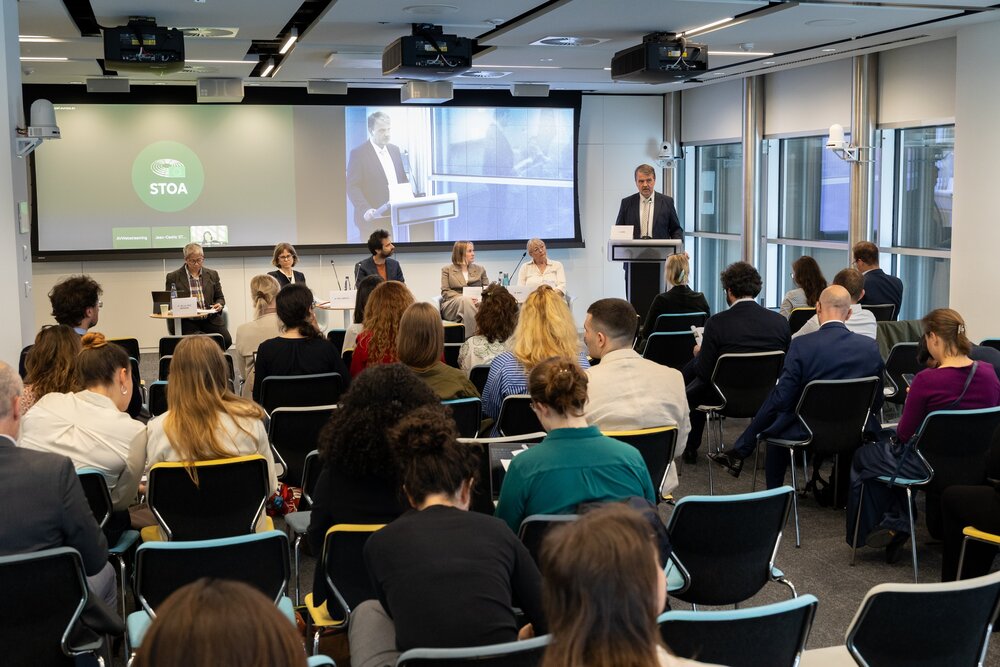
How can we maintain trust in science in a world where research integrity is increasingly challenged? The STOA workshop, which took place on 10 June in the European Parliament, brought together researchers and policymakers to discuss various paths to ensure the continued integrity of the scientific process. They also explored the double-edged sword of AI in science and the need to align funding, career progression, and publication metrics with integrity."
Research is a global, communal, endeavour, and its integrity is crucial to the proper functioning of science, by establishing the trust in scientific results necessary for the build-up of knowledge. It is also a key factor on how science should be evaluated, managed, and funded. More broadly, trust in the integrity of the scientific process and its outcomes is ultimately necessary to ensure societal buy-in and support of scientific results and science-based decision making.
According to ALLEA’s European Code of Conduct for Research Integrity, endorsed by the European Commission for Horizon Europe projects, research integrity is a shared responsibility of the research community that includes formulating the principles of research, determining proper research behaviour and practices and responding to threats and violations of these.
Today, the use of social media, the volume of publications and funding applications, threats to academic freedom, and the rise of AI pose increasing challenges to the integrity of the scientific process and societal trust in science. With the future of European research currently under discussion, this event looked into these challenges and discuss how policy can help foster a stronger culture of research integrity.
Programme
Programme
15:00 - 15:05 Welcome and introductory remarks
- Ivars Ijabs, MEP and STOA Vice-Chair
15:05 - 15:20 Keynote on research integrity
- Maura Hiney, University College Dublin, Chair of the ALLEA Research Ethics and Integrity Council
15:20 - 15:30 Insights from the BEYOND project
- Signe Mežinska, University of Latvia
15:30 - 15:40 AI and research integrity
- Julia Prieß-Buchheit, Kiel University, Author of the forthcoming STOA study on 'Open science and the effects of generative artificial intelligence on scientific exchange'
15:40 - 15:50 Recommendations for policymakers from the BEYOND guidelines
- Rosemarie de la Cruz Bernabe, University of Oslo
15:50 - 16:00 The perspective of research integrity offices
- Bert Seghers, Flemish Commission for Research Integrity, President of the European Network of Research Integrity Offices (ENRIO)
16:00 - 16:10 Integrity, trust in science and academic freedom
- Giulia Pollarolo, Barcelona Institute for Global Health
16:10 - 16:40 Panel discussion
- Moderated by Rosemarie de la Cruz Bernabe
16:40 - 16:55 Q&A session
16:55 - 17:00 Closing remarks
- Lina Gálvez, MEP and STOA Vice-Chair
The event will be webstreamed.The event will be held in English only, without interpretation.