
Article page checkbox is not checked in page info.
Pesticides in the EU: Regulatory framework, policy developments and current debates
Pesticides in the EU: Regulatory framework, policy developments and current debates
Ivana Katsarova, Members' Research Service
Summary
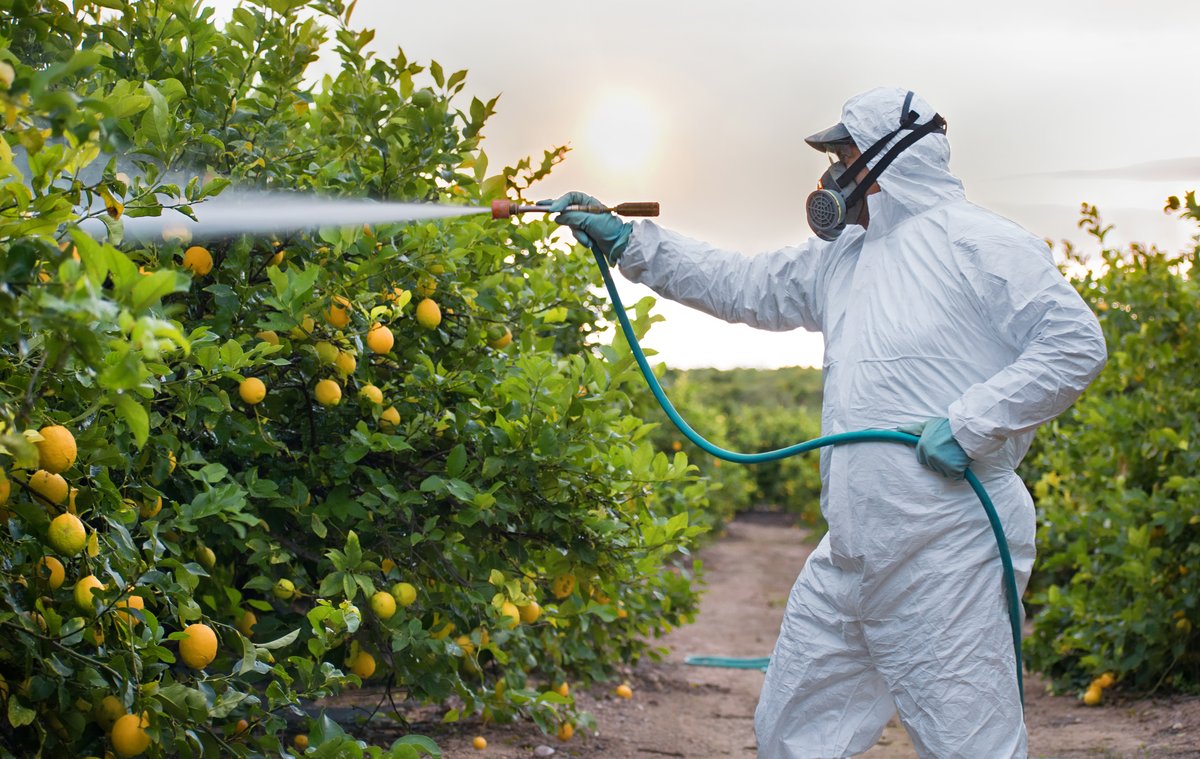
Pesticides are widely used in agriculture to protect crops against pests, diseases and weeds. The European Union regulates pesticides through a two-step system: active substances are approved at EU level following a scientific assessment involving the European Food Safety Authority (EFSA), while plant protection products containing those substances are authorised by national authorities. The EU also sets maximum residue levels for pesticides in food and feed, including imported products, based on EFSA risk assessments.
Enforcement is primarily carried out by EU countries through inspections, monitoring programmes and official controls. EFSA provides scientific advice and analyses monitoring data, while the European Commission oversees the functioning of national control systems through audits and controls.
Over time, EU pesticide policy has evolved from a focus on the safety of individual substances towards a broader objective of reducing the risks associated with pesticide use. Although the Commission withdrew its proposal for a sustainable use regulation in 2024, it continues to monitor progress towards the non-binding pesticide reduction targets announced in the farm-to-fork strategy.
Current policy discussions are largely shaped by the food and feed safety simplification package, presented in December 2025. The proposal seeks to simplify approval, authorisation and residue-setting procedures, facilitate access to low-risk and biological alternatives and reduce administrative burdens. While proponents view these changes as necessary to improve the efficiency of the regulatory system, opponents argue that they could weaken existing safeguards.
Pesticides remain a public concern because of their potential impacts on human health and the environment. At the same time, Europeans continue to express relatively high levels of trust in the scientific and regulatory institutions responsible for ensuring food safety.
Understanding the terminology
The terms 'pesticides', 'plant protection products' and 'active substances' are often used interchangeably in public debate, but they refer to distinct concepts in EU legislation.
Pesticides is the broadest term. It designates substances or mixtures intended to prevent, destroy, repel or control harmful organisms. The category includes both plant protection products used in agriculture and certain biocidal products used outside agriculture (for example, disinfectants, wood preservatives or rodenticides). Pesticides include: herbicides, fungicides, insecticides, acaricides, nematicides, molluscicides, growth regulators, repellents, rodenticides and biocides, amongst other things. Under EU law, pesticides can be biological, chemical or naturally derived.
Types of pesticides
Pesticides can be grouped according to the nature of the active substance they contain.
Chemical pesticides are based on synthetic substances produced through chemical processes. They include many conventional herbicides, insecticides and fungicides used in modern agriculture. Glyphosate is one example. Chemical pesticides are used to control pests, weeds or plant diseases and have historically been the dominant form of crop protection in agriculture.
Biological pesticides (biopesticides) contain living organisms or substances derived from living organisms. These may include bacteria, fungi, viruses or naturally occurring microorganisms that control pests or diseases. For example, products based on the bacterium Bacillus thuringiensis (Bt) are widely used against certain insect pests. Biopesticides generally have more specific modes of action and are often considered lower-risk alternatives to conventional chemical pesticides.
Naturally derived pesticides contain active substances originating from natural sources such as plants, minerals or other naturally occurring materials, but the active ingredient itself is not necessarily a living organism. Examples include copper compounds used as fungicides, sulphur used against fungal diseases and plant-derived substances such as pyrethrins extracted from chrysanthemum flowers. Natural origin does not automatically mean risk-free. Some naturally derived substances can also pose risks to human health or the environment and are therefore subject to EU safety assessments.
In practice, the categories may overlap. Many biological pesticides are also naturally derived, while some naturally derived substances are neither biological nor synthetic. In the EU, all active substances – whether synthetic, biological or natural – are assessed based on their risks and benefits rather than solely on their origin.
Plant protection products are a specific category of pesticides regulated under Regulation (EC) No 1107/2009. They typically contain one or more active substances together with co-formulants – such as solvents, stabilisers or adjuvants – which help ensure the product can be stored, handled and applied effectively. Examples include herbicides used to control weeds, fungicides used against fungal diseases, insecticides used against insect pests, and growth regulators that influence plant development.
An active substance is the component of a plant protection product that produces the intended biological effect. It is the ingredient that kills, repels, suppresses or otherwise controls the target pest, disease or weed. For example, glyphosate is an active substance used in a range of herbicide products, while copper compounds are active substances used in many fungicides. Active substances may be synthetic chemicals, naturally occurring compounds, microorganisms, plant extracts or pheromones.
How pesticides are used in the European Union
Plant protection products are widely used in agriculture to protect crops against weeds, pests and diseases. The environmental and health impacts associated with pesticide use depend not only on the intrinsic properties of the active substances concerned, but also on factors such as application rate, frequency of use, application method, crop type and local environmental conditions.
Comprehensive and harmonised EU statistics on the actual agricultural use of pesticides remain limited. While EU countries have historically reported pesticide sales data under Regulation (EC) No 1185/2009, the new Regulation (EU) 2022/2379 on statistics on agricultural inputs and outputs, which entered into force on 1 January 2025, establishes a framework for the collection of harmonised data on pesticide use from reference year 2025 onwards.
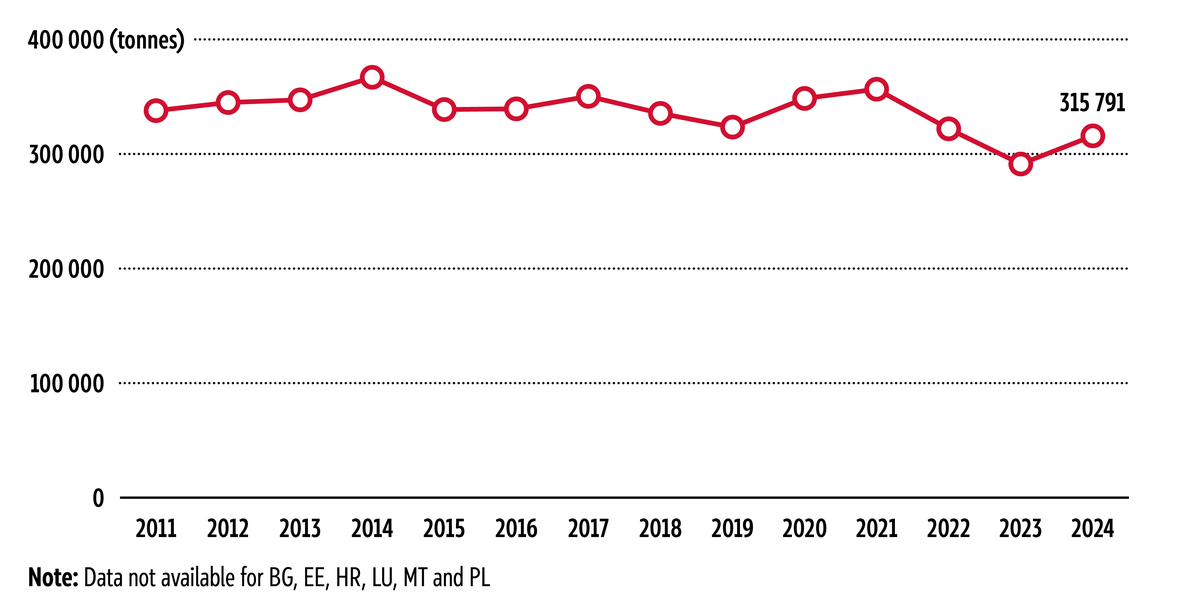
Pending the availability of these new use data, pesticide sales remain the principal harmonised indicator at EU level (see Figure 1). According to Eurostat, approximately 316 000 tonnes of pesticides were sold in the EU in 2024, representing an increase of around 8 % compared with 2023. Nevertheless, 2024 recorded the second-lowest sales volume since the start of the time series in 2011 and remained 12 % below the 2011‑2021 average. The increase compared with 2023 was largely attributed to wetter weather conditions, which increased demand for fungicides and molluscicides to combat humidity-related pathogens.
Data source: Eurostat, Pesticide sales, 2026.
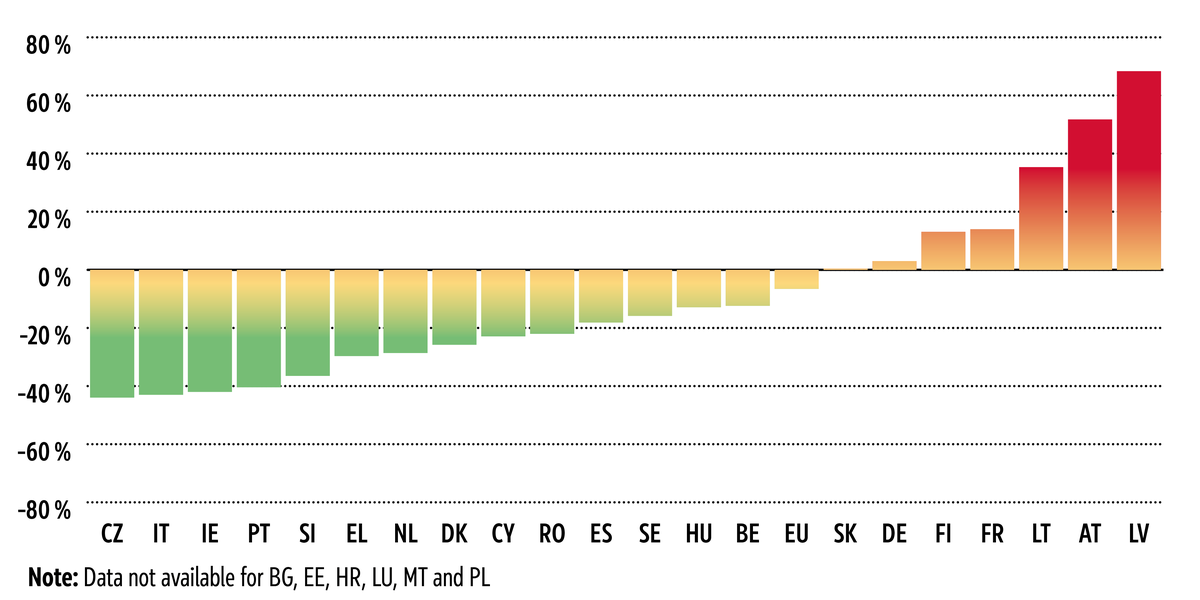
Between 2011 and 2024, there were contrasting developments in the volume of pesticide sales across EU countries (see Figure 2). Sales were lower in 14 countries, with the five sharpest rates of decline recorded in Czechia (-44 %), followed by Italy (-43 %), Ireland (-42 %) and Portugal (-40 %). By contrast, sales volumes increased in Germany, Finland, France, Lithuania, Austria and Latvia.
Data source: Eurostat, Pesticide sales, 2026.
How active substances are approved
The authorisation of pesticides in the EU follows a two-step system. First, the active substance contained in a plant protection product must be approved at EU level under Regulation (EC) No 1107/2009. Only after an active substance has been approved can individual plant protection products containing that substance be authorised for use by EU countries.
To obtain EU approval, the manufacturer submits an application to a designated 'rapporteur Member State' (RMS), which carries out an initial scientific assessment of the substance. The assessment examines, among other things, the substance's toxicological properties, potential effects on human and animal health, environmental impact and behaviour, ecotoxicity, and efficacy. The RMS prepares a draft assessment report, which is subsequently peer-reviewed by the European Food Safety Authority (EFSA) in consultation with EU countries and, where appropriate, external experts.
Based on EFSA's scientific conclusions, the European Commission prepares a proposal on whether the active substance should be approved, approved subject to restrictions, or not approved. The final decision is taken by EU countries through a vote in the Standing Committee on Plants, Animals, Food and Feed (PAFF Committee). Approved active substances are included in the EU list of authorised substances for a limited period and are subject to periodic renewal.
All approved active substances are listed in Implementing Regulation (EU) No 540/2011 and included, together with safeners and synergists,1 in the EU Pesticides Database.
Depending on their characteristics, some active substances can be approved as 'low risk' substances or as candidates for substitution.
What are low-risk active substances and candidates for substitution?
Low-risk active substances are often presented as an alternative to conventional chemical pesticides. However, 'low risk' does not mean 'risk-free'. These substances remain subject to a full scientific assessment before approval and may only be authorised if they meet the same level of protection required under EU legislation. The designation reflects a comparatively favourable hazard and risk profile rather than the absence of risk.
To qualify as low risk, a substance must meet the general approval criteria applicable to all active substances and comply with additional requirements set out in the legislation, including restrictions relating to toxicity, persistence and bioaccumulation. Low-risk substances may include certain microorganisms, naturally occurring substances and other active substances with favourable safety profiles. However, it should be noted that low-risk substances and biological pesticides are not synonymous. Many low-risk substances are biological, but some biological substances are not classified as low-risk, and some low-risk substances are not biological.
The promotion of low-risk substances forms part of the EU's broader objective of supporting integrated pest management – an approach that prioritises prevention, monitoring and non-chemical methods, with pesticides used only where necessary and in the least harmful way – and facilitating the transition towards more sustainable crop protection systems. According to the European Commission, the number of approved non-chemical, low-risk and basic active substances has more than doubled since the entry into force of Regulation (EC) No 1107/2009, from less than 60 in 2009 to over 120 in 2026.
Candidates for substitution are approved active substances with less favourable hazard profiles, such as persistence in the environment, bioaccumulation or particularly stringent toxicological thresholds. Under Regulation (EC) No 1107/2009, national authorities must perform comparative assessments to consider whether safer alternatives are available before authorising products containing them.
Active substances are approved at EU level for a limited period. Under Regulation (EC) No 1107/2009, the initial approval period is generally 10 years, although low-risk substances may be approved for up to 15 years and candidates for substitution for up to 7 years. Before an approval expires, the substance may undergo a renewal assessment based on the latest scientific evidence. Renewals may be granted for a period not exceeding 15 years. In practice, the Commission may temporarily extend approval periods where a renewal assessment cannot be completed before the expiry date.
Derogation for active substances approved under Article 4(7)
Regulation (EC) No 1107/2009 allows, under specific conditions, the approval of an active substance that would not otherwise meet the approval criteria. Under Article 4(7), such a derogation may be granted where the substance is necessary to control a serious danger to plant health that cannot be contained by other available means, including non-chemical methods. The use of the substance must be limited and subject to risk mitigation measures to minimise exposure to humans and the environment. This provision is intended as an exceptional safeguard to address situations where effective alternatives are not available and significant agricultural damage could otherwise occur.
Approvals granted under Article 4(7) are limited to a period not exceeding five years, reflecting the exceptional nature of the derogation. Authorisations for plant protection products containing such substances remain subject to the normal rules under Regulation (EC) No 1107/2009 and may not extend beyond the period of approval of the underlying active substance.
The EU framework combines risk-based assessment with certain hazard-based exclusion criteria. As a result, substances classified as carcinogenic, mutagenic or toxic for reproduction, as well as substances identified as endocrine disruptors, may be excluded from approval unless specific derogations apply. The approval process is guided by the precautionary principle and aims to ensure a high level of protection for human health, animal health and the environment.
How plant protection products are authorised
Once an active substance has been approved at EU level, individual plant protection products containing that substance must be authorised before they can be placed on the market and used. Unlike active substance approval, which is carried out centrally at EU level, the authorisation of plant protection products is primarily the responsibility of EU countries.
Applicants submit an authorisation dossier to a national competent authority, which assesses the product under the specific agricultural, climatic and environmental conditions prevailing in the country concerned. The assessment covers, among other things, the product's efficacy, operator and consumer exposure, environmental impacts, and potential effects on non-target organisms. A plant protection product may only be authorised if it is shown to be effective and does not pose unacceptable risks to human health, animal health or the environment when used according to the proposed conditions of use.
To facilitate the process, the EU is divided into three authorisation zones (northern, central and southern). EU countries within the same zone recognise each other's assessments, allowing companies to seek authorisations in several countries based on a single evaluation. This system aims to reduce administrative burden while ensuring a high level of protection. EU countries may nevertheless impose specific national conditions or restrictions where justified by local agricultural or environmental circumstances. In addition to zonal authorisations, Regulation (EC) No 1107/2009 also provides for mutual recognition, under which a plant protection product authorised in one EU country may, under certain conditions, be authorised in another EU country on the basis of the original assessment.
Plant protection product authorisations are granted by national authorities for a period not exceeding one year after the expiry of the approval of the active substances they contain. They may be reviewed, amended or withdrawn where the conditions for authorisation are no longer met.
Pesticides residues in food: How limits are set
Maximum residue levels (MRLs) are the highest concentrations of pesticide residues legally permitted in or on food and feed. They apply to both products produced within the EU and imported from third countries and serve primarily as a tool for ensuring that pesticide use complies with authorised agricultural practices and does not pose an unacceptable risk to consumers.
The MRLs are established under Regulation (EC) No 396/2005 following a scientific assessment by EFSA. An application for a new MRL or a modification of an existing MRL may be submitted by an EU country, a pesticide manufacturer or a third country. The application must include data from supervised field trials demonstrating the residue levels that remain when a pesticide is used according to authorised agricultural practices.
EFSA assesses the proposed MRL by evaluating the residue data and estimating consumer exposure through food consumption. This assessment considers both long-term (chronic) exposure resulting from regular consumption of food containing residues and short-term (acute) exposure that could arise from consuming a large quantity of a product in a single meal. An MRL can only be proposed if EFSA concludes that the resulting exposure is unlikely to exceed established toxicological reference values and therefore does not pose a risk to consumer health.
Based on EFSA's scientific opinion, the European Commission prepares a draft measure setting or amending the MRL. The proposal is then discussed and voted on by EU countries in the PAFF committee. Once adopted, the MRL becomes directly applicable throughout the EU and is enforced through national monitoring and control programmes.
It is important to note that an MRL is not a toxicological safety threshold. Exceeding an MRL does not automatically mean that a food product is unsafe. Rather, MRLs are legal limits derived from authorised uses of pesticides and are set at levels that ensure consumer exposure remains well below health-based guidance values established during the risk assessment process. In cases where no specific MRL has been established, a default MRL of 0.01 mg/kg generally applies.
For imported products, the EU may establish specific import tolerances (see specific section).
How rules are enforced
The EU pesticide framework relies on a multi-level system of controls involving national authorities, the European Commission and EFSA. While the approval of active substances and the setting of MRLs are harmonised at EU level, enforcement is primarily carried out by EU countries through official controls, inspections and monitoring programmes.
National authorities are responsible for ensuring compliance with the conditions governing the placing on the market and use of plant protection products under Regulation (EC) No 1107/2009. This includes inspection of manufacturers, distributors and professional users, as well as checks on product composition, labelling, storage, marketing and use. Where non-compliance is detected, national authorities may impose enforcement measures, including restrictions on use, withdrawal of authorisation, product recalls and administrative or criminal sanctions. EU countries are also responsible for verifying compliance with MRLs established under Regulation (EC) No 396/2005. Each year, national authorities collect and analyse food and feed samples produced within the EU and imported from third countries.
Imported food products must comply with the same MRLs as food produced in the EU and are subject to official controls at border control posts and throughout the food supply chain, including documentary checks, identity checks and laboratory analyses. Where recurring non-compliance is identified, the EU may impose reinforced controls or emergency measures on specific products or countries of origin.
The European Commission, through the Directorate-General for Health and Food Safety, oversees the implementation of EU pesticide legislation and monitors the performance of national control systems. The Commission adopts an annual work programme of audits and controls, setting priorities for inspections and fact-finding missions in EU countries and third countries on the basis of risk and previous findings.These activities are designed to verify that national authorities have effective control systems in place and apply EU requirements consistently. Where deficiencies are identified, the Commission may require corrective action and follow up on its implementation. Controls on pesticides, plant protection products and pesticide residues form part of the broader framework established by Regulation (EU) 2017/625 on official controls, which requires EU countries to organise risk-based controls throughout the agri-food chain and to ensure effective, proportionate and dissuasive enforcement measures in cases of non-compliance.
EFSA's role is scientific rather than regulatory. EFSA evaluates monitoring data submitted by EU countries, assesses consumer exposure to pesticide residues and publishes annual reports on pesticide residues in food. Its assessments draw on both national monitoring programmes and the EU coordinated multiannual control programmes. EFSA's 2026 report on pesticide residues analyses data collected in 2024 under three monitoring streams: the EU coordinated multiannual control programme, national multiannual control programmes, and increased import controls. Under the EU-coordinated multiannual control programme, 9 842 samples were analysed: 2.4 % exceeded the applicable MRLs and 1.2 % were non-compliant after measurement uncertainty was taken into account. Under national multiannual control programmes, 86 449 samples were analysed: 3.3 % exceeded MRLs and 1.8 % were non-compliant. Finally, among 39 433 samples taken under increased import controls, 5.5 % exceeded MRLs and 3.6 % were non-compliant. Non-compliant consignments were prevented from entering the EU market. EFSA concluded that the estimated dietary exposure posed a low risk to consumer health for most assessed substances and population groups.
Imported food and pesticides residues
Regulation (EC) No 396/2005 allows for the establishment of import tolerances, which are specific MRLs set for imported products where the use of a pesticide is authorised in a third country but not authorised, or not authorised in the same way, within the EU.
Import tolerance applications may be submitted by pesticide manufacturers, food importers or third countries. Applicants must provide residue data demonstrating the levels likely to occur when the pesticide is used according to the good agricultural practice (GAP) authorised in the exporting country. The GAP refers to the officially approved conditions of use of a pesticide, including application rates, frequency, timing and pre-harvest intervals. The purpose of an import tolerance is therefore not to recognise foreign regulatory standards as equivalent to EU rules, but rather to facilitate trade while ensuring that residues resulting from lawful agricultural practices outside the EU remain safe for European consumers.
An import tolerance may only be established where EFSA concludes that the resulting residues are unlikely to pose a risk to human health. The European Commission and EU countries then decide whether to adopt the proposed MRL through the comitology procedure.
When setting or reviewing MRLs, the EU is required to take account of international standards established by the Codex Alimentarius Commission – the joint food standards body of the Food and Agriculture Organization (FAO) and the World Health Organization (WHO). Codex establishes international pesticide residue limits known as Codex maximum residue limits (CXLs), based on scientific assessments conducted by the joint FAO/WHO meeting on pesticide residues.
Under Article 14 of Regulation (EC) No 396/2005, the Commission and EU countries may decide to align an EU MRL with an existing CXL, provided that EFSA's assessment confirms that the residue level is safe for consumers. However, Codex standards are not automatically incorporated into EU law. The EU may establish a lower MRL or decline to adopt a CXL where concerns are identified regarding consumer protection or where the supporting scientific evidence is considered insufficient.
Import tolerances have become increasingly prominent in discussions on reciprocity and 'mirror measures'.
Proponents argue that import tolerances help facilitate international trade while maintaining a high level of consumer protection through EFSA's risk assessment and warn that restricting such tolerances may lead to unnecessary trade disruptions without delivering additional health benefits.
Opponents maintain import tolerances undermine the objectives of EU pesticide legislation by allowing residues from substances that have been banned in the EU for health or environmental reasons to remain present on imported food and can create unfair competition for EU farmers, who are no longer allowed to use those substances.
The Commission considers import tolerances to be a legitimate mechanism for accommodating differences in agricultural practices and pest pressures between the EU and third countries while facilitating international trade. Commission communications emphasise that the same scientific criteria apply to MRLs based on uses within the EU and to import tolerances based on uses authorised in third countries, and that the EU takes account of its international commitments, including Codex standards and WTO sanitary and phytosanitary measures, when setting MRLs.
The Commission committed in its 2020 chemicals strategy for sustainability to ensure that hazardous chemicals banned in the EU would no longer be produced for export. While preparatory work, including a public consultation has been undertaken, no legislative proposal has yet been tabled. The Commission indicated in January 2026, in response to a parliamentary question, that it was still assessing possible policy options.
Separately, in November 2025, the Commission launched an impact assessment examining options to strengthen reciprocity between EU production standards and requirements applicable to imported products. The assessment focuses on the most hazardous pesticides banned in the EU and is intended to inform possible future legislative action aimed at ensuring that such pesticides do not enter the EU market through imported food, while assessing the potential impacts on trade, competitiveness and consumers.
Reducing the risk from pesticides
Since the 1990s, EU pesticide policy has progressively evolved from a primary focus on the safety of individual substances towards a broader objective of reducing the risks and impacts associated with pesticide use. The cornerstone of this approach is Directive 2009/128/EC, which established a framework for achieving a more sustainable use of pesticides by reducing risks to human health and the environment and promoting the use of alternative pest management techniques.
A central element of the directive is integrated pest management, under which farmers are required to prioritise preventive, biological, physical and other non-chemical methods before resorting to chemical pesticides. The directive also requires EU countries to adopt national action plans setting national objectives, targets and measures to reduce pesticide-related risks and to promote sustainable pest management practices. Other measures include training and certification of professional users, inspection of pesticide application equipment and restrictions on pesticide use in sensitive areas.
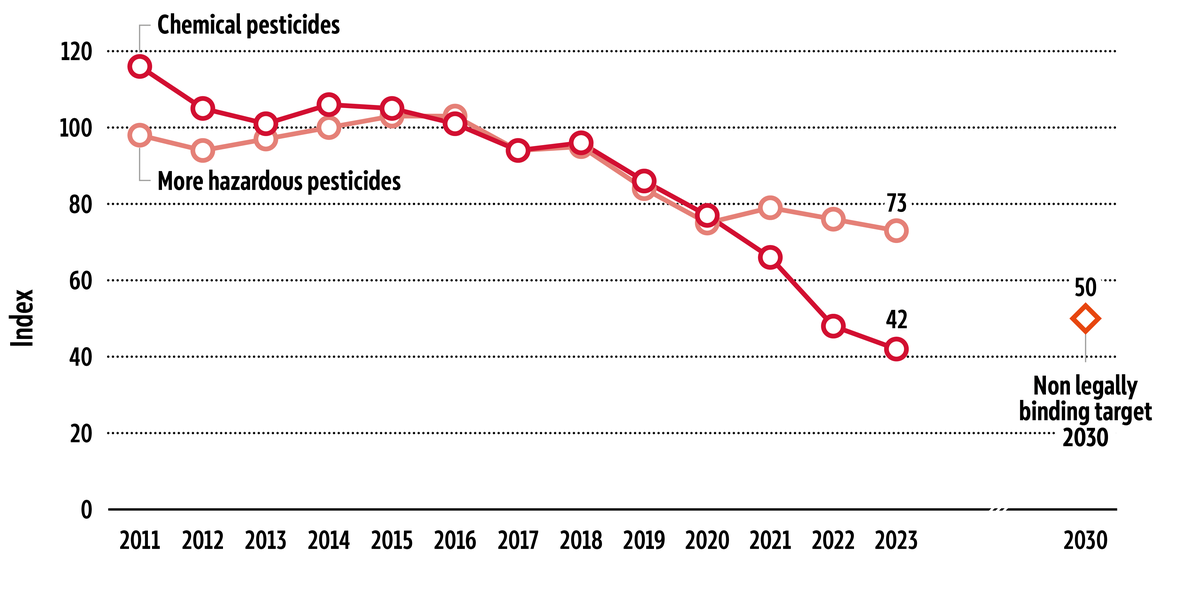
Reducing dependence on chemical pesticides became a key objective under the European Green Deal and the farm-to-fork strategy, which in 2020 announced a target to reduce by 50 % both the use and risk of chemical pesticides and the use of more hazardous pesticides by 2030. To implement these objectives, the Commission proposed a regulation on the sustainable use of plant protection products in 2022, which would have replaced Directive 2009/128/EC and introduced legally binding EU reduction targets. However, in view of the European Parliament's rejection of the proposal and the lack of progress in the Council, the Commission withdrew the proposal in February 2024.
Despite the withdrawal of the 2022 proposal, the Commission continues to monitor progress towards the two non-legally binding pesticide reduction targets. Progress is assessed annually using the harmonised risk indicators (HRI 1 and HRI 2) established under Directive 2009/128/EC. According to the Commission's latest update, published in July 2025, the EU has reduced the use and risk of chemical pesticides by 58 % and the use of more hazardous pesticides by 27 %, compared with the baseline 2015-2017 period (see Figure 3). The Commission has also published data on the progress made by individual EU countries towards both targets, illustrating considerable variation across the EU.
Data source: European Commission, Trends in the use and risk of chemical pesticides and in the use of more hazardous pesticides, July 2025.
The indicators provide a common framework for tracking trends over time, although their ability to reflect changes in actual exposure and risk has been the subject of debate. In its 2020 Special report on the sustainable use of plant protection products, the European Court of Auditors highlighted methodological limitations of the harmonised risk indicators in measuring progress in reducing pesticide risks and noted that these indicators are strongly influenced by changes in the approval status of substances rather than actual changes in pesticide use and exposure.
Food and feed safety simplification package
Key elements
On 16 December 2025, the Commission presented the Food and feed safety simplification package, known as 'Omnibus X', as part of its broader simplification agenda. The package amends several pieces of EU food and feed legislation, including Regulation (EC) No 1107/2009 on plant protection products and Regulation (EC) No 396/2005 on maximum residue levels. The stated objective is to reduce administrative burden for operators and authorities while maintaining a high level of protection for human health, animal health and the environment.
For plant protection products, the most significant proposed changes concern the approval and renewal of active substances. The proposal would move away from fixed periodic reassessments for most active substances and allow approvals without time limits in many cases, while retaining time-limited approvals and risk-based reviews for substances considered more hazardous, such as candidates for substitution and substances approved under Article 4(7). The Commission argues that this would allow EFSA and EU countries to focus resources on substances where reassessment is most justified and on the evaluation of new active substances.
Renewal backlog: Temporary extension of approvals
To address the renewal backlog, which continues to have practical consequences, Commission Implementing Regulation (EU) 2026/1421, published on 1 July 2026, extends the approval periods of 19 active substances by between 15 and 39 months, including four candidates for substitution. According to the Commission, the extensions are necessary to allow the completion of ongoing renewal assessments, as the delays were considered to be beyond the control of the applicants.
The proposal also seeks to accelerate access to biological and low-risk alternatives. It introduces a clearer definition of 'biocontrol substances', prioritises their approval and authorisation procedures, allows EU countries to grant provisional authorisations for products containing new biocontrol substances while EU approval is still ongoing, and reinforces mutual recognition procedures. For products containing only biocontrol or low-risk substances, the proposal would treat all EU countries as belonging to one authorisation zone and introduce tacit recognition where authorities do not act within the relevant deadline. It would also remove record-keeping obligations for professional users of products containing only biocontrol substances.
For MRLs, the proposal aims to clarify the treatment of import tolerances and transitional measures. It would allow, following an impact assessment, MRLs based on Codex limits or third-country good agricultural practice to be reduced to the limit of quantification – that is the smallest, reliable amount of a chemical that can be accurately detected and measured in a food sample – where the active substance is not approved in the EU and has particularly hazardous properties. At the same time, it would clarify that products compliant with the applicable MRLs at the time they were placed on the market or put into storage after production may remain on the market until the end of their shelf life. This is intended to avoid the withdrawal or destruction of products that were legally compliant when marketed.
Early adoption
One element of the food and feed safety simplification package has already been adopted.
Regulation (EU) 2026/747, which extends certain data protection periods applicable to active substances, safeners and synergists under Regulation (EC) No 1107/2009, was adopted in May 2026. The measure aims to encourage investment in the development of new plant protection products, particularly low-risk and biological alternatives, by strengthening incentives for applicants generating the scientific data required for regulatory approval.
Unlike the other elements of the omnibus, which remain under negotiation, these provisions have already entered into force.
In the European Parliament
Reflecting its implications for both food safety and agriculture, the proposal is being examined jointly by the Committee on the Environment, Climate and Food Safety and the Committee on Agriculture and Rural Development under the ordinary legislative procedure. Michele Picaro (ECR, Italy) and Herbert Dorfmann (EPP, Italy) have been appointed rapporteurs for the two committees respectively. At the time of writing, the committees are expected to vote on 5 October 2026, although the timetable remains subject to change.
The rapporteurs' draft report of 19 June 2026 broadly supports the Commission's objective of simplifying the EU regulatory framework for pesticides, while proposing a number of further amendments. It would introduce an indicative 18-month deadline for the evaluation of active substance applications, broaden measures intended to facilitate the authorisation of plant protection products, including wider automatic mutual recognition between EU countries, and extend simplified procedures for certain categories of products. The report also proposes granting plant protection products containing only active substances with unlimited approvals authorisations of unlimited duration, subject to re-evaluation following any reassessment of the active substances concerned.
The draft report also proposes changes affecting certain categories of active substances. In particular, it would remove the existing five-year limit for approvals granted under Article 4(7) and instead provide that such approvals should be granted for a limited period ensuring that essential uses are not lost where no viable alternative exists. It would also extend grace periods following the withdrawal or non-renewal of approvals in certain circumstances and amend several provisions of the Commission proposal by replacing mandatory requirements with more discretionary wording (for example, replacing 'shall' with 'may' in relation to the identification of substances subject to targeted reassessment, and referring to 'significant safety concerns' rather than 'safety concerns').
Finally, the rapporteurs propose that EU countries would no longer be able to refuse the authorisation of a plant protection product on the grounds of specific national environmental or agricultural circumstances where those risks could not be addressed through risk mitigation measures. They also address the issue of reciprocity for imported products by inviting the Commission to assess the need for a framework ensuring that imported agricultural products are produced in accordance with standards equivalent to those applicable in the EU, including as regards pesticide use, while remaining compatible with the EU's international obligations.
The presentation of the draft report on 6 July 2026 confirmed broad support for the objective of simplifying the rules applicable to plant protection products, but also divergences over the balance between accelerating procedures, promoting innovation and maintaining a high level of health and environmental protection.
Following the publication of the draft report, shadow rapporteurs, Tilly Metz (Greens/EFA, Luxembourg) and Anna Strolenberg (Greens/EFA, the Netherlands), wrote to the Commission requesting a detailed scientific impact assessment of the proposed changes to the EU pesticide framework. They argued that simplification should not compromise existing standards of environmental and health protection and called for the assessment of alternative options to address delays in authorisation procedures, including increasing EFSA's budget to reduce the backlog in the evaluation of active substances.
In the Council
The Council agreed a partial negotiating mandate on certain elements of the omnibus on 27 May 2026. EU countries broadly endorsed the objective of simplifying existing legislation and reducing unnecessary administrative burden, while underlining that simplification should not compromise the EU's high standards of food and feed safety or the protection of human, animal and environmental health.
The mandate focused primarily on amendments to Directive 2009/128/EC on the sustainable use of pesticides. In particular, it maintained the existing derogation allowing aerial spraying in specific cases while supporting the use of drones for targeted pesticide applications under specified conditions, subject to EFSA guidance and a future delegated act defining the types of drones and conditions of use.
More broadly, the Council's approach reflects EU countries' preference for targeted simplification, combining reductions in administrative burden with greater flexibility in implementation while preserving the core architecture of EU food and feed safety legislation.
Negotiations on the remaining pesticide-related provisions – including those concerning active substance approvals, authorisations and MRLs – are ongoing at the time of writing.
Among stakeholders
The omnibus has elicited contrasting reactions from stakeholders.2
Proponents broadly welcome the proposal as a pragmatic effort to reduce administrative burden and improve the functioning of the EU regulatory system. CropLife Europe argues that simplification is necessary to address growing backlogs in authorisation and renewal procedures, improve regulatory predictability and focus scientific and administrative resources where they are most needed, while maintaining the EU's high safety standards. The International Biocontrol Manufacturers' Association has similarly welcomed measures intended to accelerate approval and authorisation procedures for biocontrol products, arguing that they could facilitate farmers' access to biological alternatives and support innovation in sustainable crop protection.
Opponents, including environmental and consumer organisations, argue that the proposal risks weakening key safeguards underpinning EU pesticide legislation. PAN Europe contends that replacing systematic reassessments with predominantly risk-based reviews could allow harmful substances to remain on the market for longer, shift the burden of identifying risks away from industry and reduce the role of up-to-date scientific evidence in decision-making. Consumer organisations such as BEUC have similarly stressed that simplification should not come at the expense of robust risk assessment, transparency and a high level of consumer protection.
How pesticides may affect human health
Pesticides are designed to affect living organisms and, depending on the level, duration and timing of exposure, may also have adverse effects on human health. Exposure can occur through multiple pathways, including the consumption of food and drinking water containing residues, inhalation of contaminated air or spray drift, and direct contact during the manufacture, handling or application of pesticides (see Figure 4). Agricultural workers and pesticide applicators are generally considered to be at greater risk of exposure than the general population. EFSA's regulatory guidance similarly distinguishes between operators, workers, bystanders and residents, reflecting the different exposure scenarios considered in pesticide risk assessments.
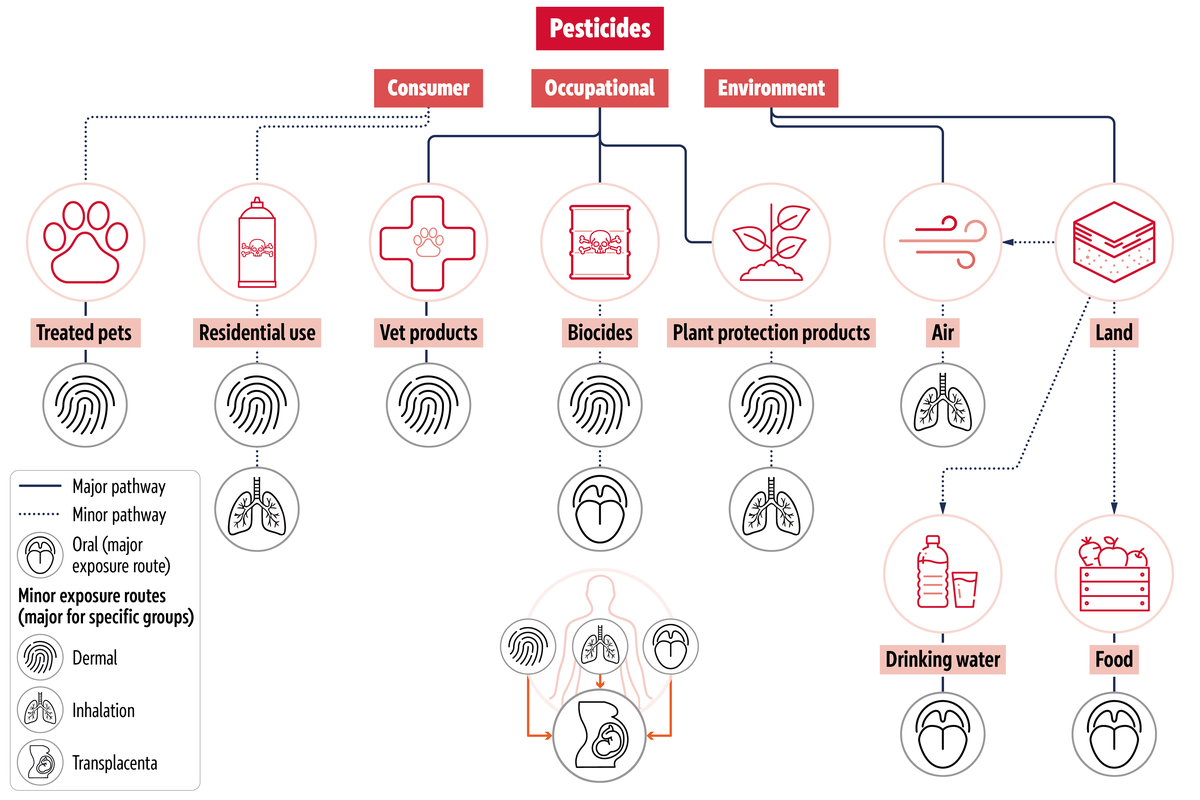
Data source: European Environment Agency, How pesticides impact human health and ecosystems in Europe, 2026.
According to the European Environment Agency, scientific evidence links exposure to certain chemical pesticides with a range of adverse health outcomes. Acute exposure can result in poisoning incidents, particularly among occupationally exposed groups (see Figure 5). Chronic exposure has been associated with an increased risk of several diseases, including certain cancers and cardiovascular, respiratory and neurological conditions. Evidence has also emerged linking some pesticides to developmental and reproductive effects, particularly where exposure occurs during sensitive stages of development. However, the strength of the evidence varies across health outcomes and substances, and establishing causal relationships remains challenging given the long latency periods involved, the diversity of pesticides used and the fact that people are typically exposed to mixtures of chemicals rather than individual substances.
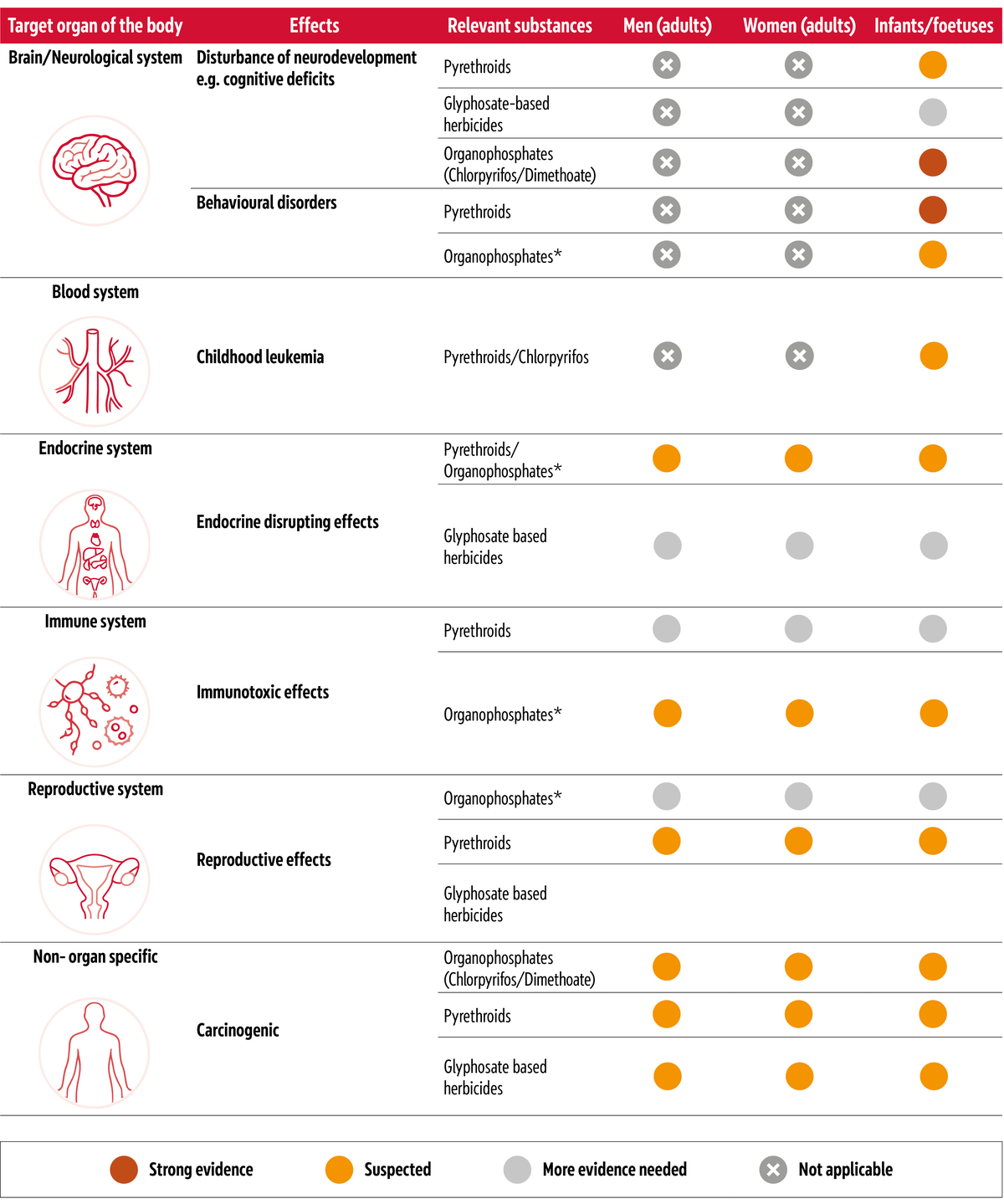
Data source: European Environment Agency, How pesticides impact human health and ecosystems in Europe, 2026. Note: HBM4EU is a consortium led by the German Environment Agency, bringing together leading European expertise on human biomonitoring from 24 EU Member States, Norway, Iceland, Israel, Switzerland and the European Environment Agency.
Overall, the available evidence points to the importance of minimising unnecessary exposure and continuing to strengthen monitoring and research, while acknowledging that significant uncertainties remain regarding the health impacts of long-term, low-level exposure to multiple pesticides.
Pesticides remain a public concern
Food safety remains an important concern for Europeans, and pesticide residues continue to feature prominently among the risks they associate with food.
According to a 2025 Eurobarometer on food safety, 67 % of Europeans report they are familiar with the issue of pesticide residues, while 39 % identify pesticide residues in food among their main food-related concerns.
At the same time, trust in the institutions and expertise underpinning the food safety system remains relatively high: 84 % of respondents trust scientists working in publicly funded organisations as a source of information on food risks, while 70 % trust national authorities and 69 % trust EU institutions.
The survey findings suggest that Europeans expect the food system to deliver on several objectives simultaneously: ensuring a high level of protection for human health and the environment, providing safe and affordable food, supporting agricultural production and maintaining confidence in the regulatory system.
These expectations mirror many of the trade-offs that shape EU pesticide policy and help explain why debates on the use of pesticides remain both technically complex and politically sensitive.
Endnotes
Classification
Policy areas: Food Safety
Regions: European Union
Committees: Environment, Climate and Food Safety (ENVI), Agriculture and Rural Development (AGRI)
Statement on the use of AI
ChatGPT was used to improve the readability of the text.
Disclaimer
This document is prepared for, and addressed to, the Members and staff of the European Parliament as background material to assist them in their parliamentary work. The content of the document is the sole responsibility of its author(s) and any opinions expressed herein should not be taken to represent an official position of the Parliament.
Copyright
© European Union.
The reuse of this document is authorised under a Creative Commons Attribution 4.0 International (CC-BY 4.0) licence.

https://creativecommons.org/licenses/by/4.0/deed.en
To use or reproduce elements that are not owned by the European Union, permission may need to be sought directly from the respective rightsholders.