
Article page checkbox is not checked in page info.
Health and wellbeing in the age of artificial intelligence
Health and wellbeing in the age of artificial intelligence
Laurence Amand-Eeckhout, Members' Research Service
Summary
The integration of artificial intelligence into healthcare and daily life could deeply impact people's health and wellbeing, bringing health benefits but also introducing new challenges. Artificial intelligence (AI) has transformed healthcare by supporting clinicians in improving diagnostics, predicting health risks, and personalising treatments in fields such as radiology, oncology, cardiology, and rare diseases, and streamlining hospital management. It offers opportunities to make healthcare more effective, accessible for all, with better outcomes for patients and national health systems. It also supports pharmaceutical development. Beyond clinical settings, citizens use AI chatbots to obtain health information and wellness advice, although this carries risks of misinformation and over-reliance. While AI offers benefits for vulnerable groups, it also carries age-specific risks that require careful attention. For older adults, AI offers remote monitoring, assistive technologies, and companionship tools, but risks replacing rather than complementing human interaction. Young people and children using AI face serious risks including exposure to harmful content, emotional dependency, privacy violations, and reduced critical thinking. Across all age groups, excessive or poorly designed AI use is linked to anxiety, sleep disorders, sedentarism and social withdrawal. Use of AI companions can backfire, deepening isolation or even triggering mental health crises in vulnerable users. The EU AI Act and sector-specific legislation aim to govern these risks while fostering innovation. Realising AI's health benefits ultimately requires robust human oversight, strong safeguards, and digital skills, with a commitment to keeping human connection and care at the centre, as AI cannot replace face-to-face contact and community structures.
Artificial intelligence in healthcare
Artificial intelligence (AI) is transforming healthcare through innovative tools across a wide range of domains, from clinical practice and hospital management to citizen information, pharmaceuticals, disease outbreak or health data management, with many tools already in use and others in development. It offers opportunities to make healthcare more effective, accessible, and sustainable (better optimisation of resources – staffing, supply chains, and energy use) with better outcomes for patients and health systems. It also supports healthcare professionals by enabling faster diagnoses, personalised treatment and health risk forecasting, ultimately making care more efficient and accessible for all.
On the other hand, significant risks exist, as highlighted in a 2022 study. These include patient harm due to potential AI errors in diagnosis, triage, or treatment recommendations, or the potential misuse of medical tools; the possible misuse of sensitive health data; and unclear liability and human oversight, making it hard to assign responsibility when things go wrong. A 2025 study led by the Max Planck Institute for Human Development found that the most accurate diagnoses emerge when human expertise and AI work in tandem. It identified that humans and AI tend to make different mistakes, meaning their complementary weaknesses can be turned into a collective strength.
What is artificial intelligence?
Artificial intelligence (AI) refers to computer-based systems that perform tasks typically requiring human intelligence. These include learning, forecasting, answering questions, translating texts, solving problems, making decisions, and creating content. AI systems, as defined by the Artificial Intelligence Act (EU AI Act), are machines able to infer (meaning that they can learn patterns or rules from data rather than relying on human instructions) output (results), based on input (large datasets and algorithms).
Generative AI is a type of AI that creates new content, such as text, images, video, music, or code, in response to user requests. It works by learning from large datasets, powering tools such as ChatGPT. A chatbot is a specific interface or application which relies on text-based generative AI models. It enables users to interact with people through text or voice, simulating conversation.
AI in health and wellbeing, as analysed in this briefing, refers to the use of AI in healthcare and in promoting individuals' physical and mental wellbeing throughout all stages of life. It pays particular attention to the needs of older or young people, and children, as well as the ways in which AI can enhance their social interactions and overall quality of life.1
Clinical practice
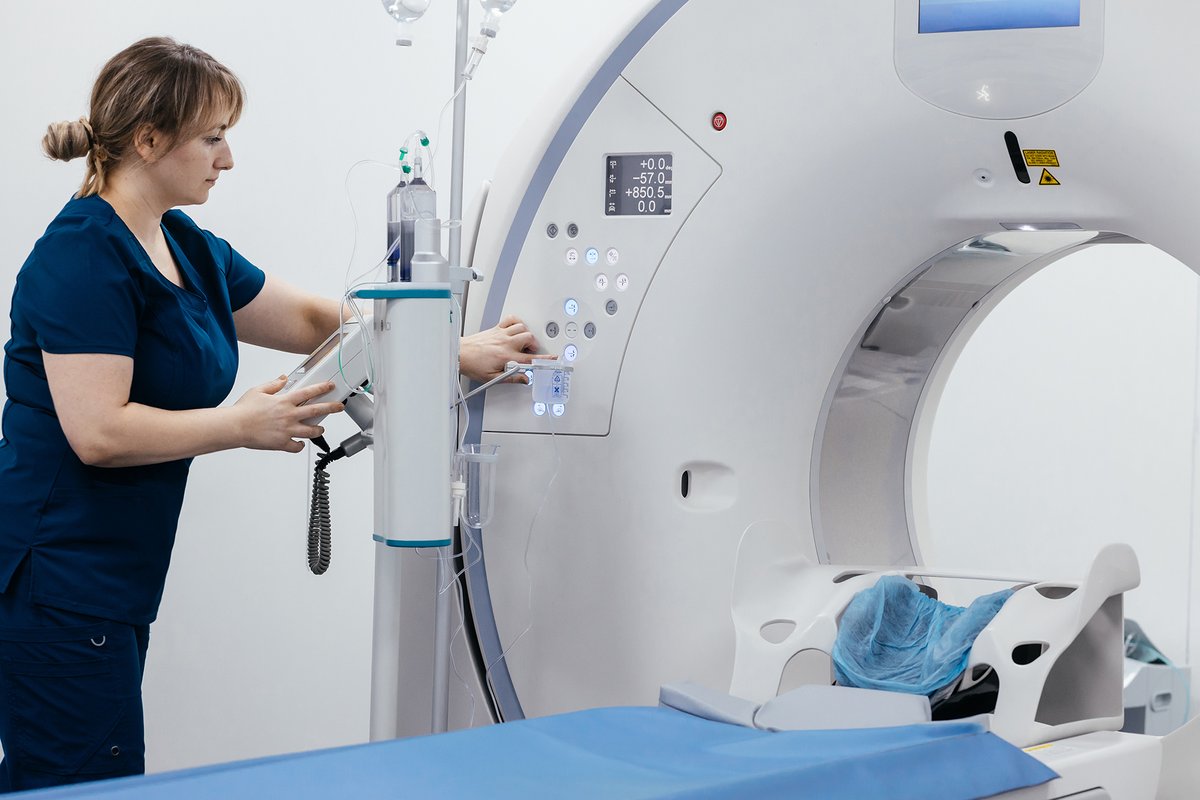
Artificial intelligence is already used to enhance the accuracy and speed of diagnostics and to predict health risks , particularly in fields such as radiology, pathology, oncology, cardiology, and rare diseases.
Examples of EU-funded projects
-
The European Virtual Human Twins Initiative supports the emergence and development of AI-powered digital replicas of patients, built from their health data, to simulate diseases, predict outcomes, and personalise prevention, diagnosis, and treatment.
-
The partially operational 1+ Million Genomes Initiative aims to provide secure cross-border access to genomic and clinical data, identifying similar cases to accelerate diagnosis of rare and undiagnosed diseases.
-
The European Network of AI-Powered Advanced Screening Centres, not yet fully in place, shares clinical AI workflow experiences and accelerates innovative solutions for cancer and cardiovascular prevention, early detection, and diagnosis.
-
Focused on cancer, the European Cancer Imaging Initiative, launched in 2022 and in implementation, aims to accelerate the deployment of innovative AI solutions based on imaging data for personalised cancer prevention and treatment. Cancer Image Europe, deployed across the EU, provides a platform for researchers, clinicians, and innovators to access cancer images, enabling the testing and validating of AI-driven technologies. Studies show that AI can improve the quality of mammography screening to identify early signs of breast cancer, while improving cost-effectiveness and addressing radiologist workforce shortages. BreastSCan (Pan-European Breast Image Platform for Advanced AI-based Breast Cancer Screening), an ongoing EU research project, currently building a large-scale breast imaging dataset and developing AI tools, for screening and diagnosis.
Artificial intelligence is already used in personalised treatment to assist clinicians, including oncologists, to analyse patient data or genetic profiles, and in clinical research to develop tailored treatment plans. The potential benefits include more targeted treatment, fewer adverse effects, improved quality of life, and better patient outcomes. In this field, the EU-funded joint action on personalised cancer medicine (JA PCM) aims to extend access to and knowledge of PCM in the EU. The SPARC (Support of Personalised medicine AppRoaches in Cancer) projects aims to enhance the integration of personalised medicine in cancer care across European healthcare systems.
In preventive care, AI‑enabled wearable monitoring devices, such as smartwatches, are increasingly used to collect continuous health data and can help support early detection and management of disease, for example through heart‑rate, sleep, and blood‑oxygen monitoring.
For data tracking and management AI already provides support, notably by automating routine tasks (such as clinical documentation, appointment scheduling, patient data entry, claims processing, and electronic health record updates) and reducing administrative burdens and the workload for health professionals.
Artificial intelligence is also increasingly used in cross-border telemedicine and healthcare, particularly within the framework of the European Health Data Space (EHDS), which facilitates secure data exchange across EU Member States (see below).
Efficiency gains in hospitals
Within hospitals, AI supports the optimisation of resource allocation, including staff scheduling, hospital bed management, and the use of medical equipment. It can also streamline administrative processes, while optimising workflows and reducing the administrative burden on healthcare professionals (see above). As healthcare systems face growing cybersecurity threats, in 2025, the Commission adopted an action plan on hospital and healthcare provider cybersecurity.
Artificial intelligence powered chatbots and virtual assistants in daily health use
Individuals across all generations increasingly use AI chatbots and virtual assistants to source preliminary health information, check symptoms, and obtain wellness advice (see textbox).
'Hello, Doctor AI': the case of artificial intelligence chatbots
Citizens are increasingly using artificial intelligence powered chatbots to access health-related information and support self-care.
When grounded in up-to-date, evidence-based sources, AI chatbots can improve access to health information by explaining complex topics in plain language; providing first-level answers to common questions about symptoms, medications, and prevention; and by helping users to navigate the overwhelming amount of online information. Answering questions while waiting for a professional medical appointment may enable users to arrive better prepared for medical consultations.
On the other hand, data protection and privacy risks cause concern, as does the risk of over-reliance, where users may delay or replace professional medical consultation, and where inaccurate or misleading medical information may be provided. A 2026 study on generative AI-driven chatbots and medical misinformation includes an audit of five popular AI-driven chatbots to evaluate their responses to everyday health and medical queries. Five categories of information were selected for the audit: cancer, vaccines, stem cells, nutrition and athletic performance. According to the study 'approximately half of all outputs were deemed problematic, citations were frequently incomplete or fabricated, and chatbot response readability tended to be complex'. Models also responded to tricky requests without adequate caveats.
A 2025 study into how chatbots respond to users suffering from severe mental issues found that chatbots are generally not equipped to deliver an appropriate clinical response and may, in some cases, give responses that can escalate or worsen a mental health crisis.
These risks are recognised in the EU AI Act, which requires transparency about the limitations of such tools and effective human oversight for high-risk AI systems, including those providing health‑related advice that may have significant implications for patient safety, subject to appropriate professional review.
No specific data on citizens' health-related use of AI chatbots exists. Eurostat data show 32.7 % of people aged 16‑74 in the EU used generative AI tools in 2025, with marked differences between countries. Some 25.1 % use it for personal purposes rather than for work or education. Personal purposes could include health-related queries and self-care support.
Pharmaceuticals, medical devices and biotechnology
Artificial intelligence is transforming the pharmaceutical sector across the entire lifecycle of medicines, from discovery and development to clinical trials, evaluation, manufacturing, marketing, approval, and pharmacovigilance. These advances may help reduce time and costs by streamlining research and optimising processes, thereby accelerating the delivery of safe and effective medicines, and enabling a rethinking of drug discovery and development with the identification of novel molecular structures and mechanisms that were previously out of reach with traditional methods.
The ongoing reform of EU pharmaceutical legislation and of the rules on medical devices, alongside the AI Act, aims to establish a regulatory environment that supports AI-driven innovations in medicines. In parallel, the proposed European biotech act leverages AI as a key technology to accelerate innovation and boost competitiveness in the EU's biotechnology and biomanufacturing sectors, aiming to ensure alignment with the AI Act for safe and ethical deployment of AI systems.
Disease surveillance and outbreak forecasting
Artificial intelligence helps to forecast disease outbreaks by analysing datasets, to enable timely and targeted public health responses that mitigate the spread of diseases. At EU-level, the European Commission is funding research into AI-driven predictive analytics for early warning and infectious-disease surveillance, as part of its broader digital health strategy, working in coordination with the European Centre for Disease Prevention and Control.
More accessible and interoperable health data across the EU
The European Health Data Space (EHDS) and the EU AI Act together establish a regulatory framework for the secure sharing and reuse of health data between EU countries, enabling AI-driven health innovation across borders. By 2029, the EHDS mandates that all EU Member States enable AI-compatible cross-border sharing of essential health data, such as electronic patient summaries and ePrescriptions, through the MyHealth@EU platform. Using AI, this will improve patient mobility, ensure continuous care, and accelerate health progress throughout the EU.
Artificial intelligence and health: challenges for the elderly, young people and children
While AI offers opportunities to improve healthcare delivery, its deployment must be carefully managed to address age-specific challenges for older adults, young people and children. Uses of the new technology should aim to prioritise their wellbeing and social inclusion, while ensuring that human oversight and meaningful human relationships remain central.
Wellbeing, social interactions and loneliness
The wellbeing concept encompasses physical health, mental health and social life, as highlighted by the European Commission in its 2023 communication on a comprehensive approach to mental health, reflecting a growing recognition of the deep interconnections. This cross-sectoral approach is particularly important as the EU faces challenges including an ageing population, rising mental health issues, and socio-economic inequalities, as underlined by the European Parliament in its 2023 resolution on mental health.
Social isolation can lead to a number of health and wellbeing issues, including depression, and low self-esteem, vulnerability and loneliness. As underlined in a 2025 OECD study, deprivation in social connection often overlaps with socio-economic disadvantage, living alone and older age.
Loneliness, often referred to as the 'epidemic of the 21st century', has emerged as a significant public health concern across all age groups. According to data released by the Commission's Joint Research Center, 13 % of Europeans feel lonely very often or all the time, with 35 % reporting occasional loneliness.
Loneliness is a risk factor for mental health but also for physical health, with, for instance, higher levels of cortisol (the 'stress hormone'), raised blood pressure, impaired sleep, higher risks of stroke and heart diseases compared with non-lonely individuals.
While AI can help, it is not a substitute for the benefits of human connection, as it does not replace face-to-face contact and community structures, and may even exacerbate isolation if overused or poorly designed.
Artificial intelligence-based digital companions
In response to social isolation, AI-based digital companions have proliferated worldwide. They range from conversational agents and chatbots to more advanced robotic systems (e.g. AI robots), to offer social interaction, friendship, emotional support, or even romantic companionship.
Such AI companions can have positive effects on wellbeing by providing conversation, connecting people with shared interests, or alerting caregivers when people are at risk of isolation.
However, some research shows that AI companions cannot substitute for human relationships and may, in some cases, even increase loneliness and lower wellbeing if overused or poorly designed. The AI chatbots designed to act as companions typically present themselves as conversational partners who are always available, empathetic, and patient. However, as underlined in a 2026 study, their ability to alleviate feelings of loneliness are far inferior to that of a simple text conversation with a complete stranger. The psychological benefits may be limited, and such a relationship could pose risks, especially for socially isolated or emotionally vulnerable users. Another 2026 study warned that people with mental illness who use AI chatbots may experience a worsening of their condition. Users with fewer human connections report lower wellbeing if they become emotionally reliant on AI. There are also concerns about more severe risks associated with AI companions, such as delusional thinking or suicidal ideation. For example, in 2023, a Belgian man in his 30s died by suicide following weeks of intense interaction with an AI chatbot. A 2025 study into how chatbots respond to users suffering from severe mental issues found that chatbots are generally not equipped to deliver an appropriate clinical response and may, in some cases, give responses that can escalate or worsen a mental health crisis.
Elderly people
The expanding integration of AI into daily life presents both opportunities and challenges for older people, who form a growing share of the EU population, and risks impacting their health, autonomy, social inclusion, and supporting care systems.
New AI technologies offer a significant potential to benefit older adults' health and wellbeing, by supporting long-term independent living, enhancing the quality of care, and improving overall quality of life, while reducing pressure on caregivers:
-
through remote monitoring systems, AI‑enabled wearables and in‑home sensors can track vital signs, mobility, and daily activities, enabling early detection of potential health issues and timely intervention;
-
digital‑care platforms can help caregivers by automating routine monitoring and documentation, thereby freeing up time for more person‑to-person interaction;
-
assistive solutions, already in use or in development, including virtual assistants, care robots, and smart home systems, can support daily routines and medication adherence (e.g. reminders and smart pill dispensers), while fall‑detection systems (which use sensors to detect falls or unusual behaviour) can automatically alert caregivers or emergency services;
-
beyond safety and health monitoring, AI tools, both already in use and still in development, can improve quality of life for older generations by supporting healthy life or promoting cognitive stimulation. Robotic pets are already being used in some places to provide comfort and stimulation for people with dementia or at risk of cognitive or emotional isolation;
-
increasing life expectancy and the ageing demographic are expected to intensify risks of social isolation, particularly for those living alone or in remote areas. Several AI tools are under development seeking to facilitate social connection and communication with family members (for example through voice assistants, smart home devices that allow older adults to make calls, send messages, or interact with relatives more easily). When used wisely, AI‑based companions may also help reduce social isolation, by creating new ways to maintain contact with family and wider social networks, (see textbox above).
However, the use of AI among older adults also presents certain risks, including mainly:
-
privacy and data security concerns, as AI-powered monitoring and companion systems gather highly sensitive health and behavioural information that may be misused or insufficiently protected;
-
potential emotional dependency, with over-reliance on AI for advice or emotional support;
-
the potential for increased social isolation and deterioration in wellbeing and dehumanisation of care if these technologies begin to replace, rather than support, personal interaction.
The European Parliament has repeatedly highlighted the risks of loneliness and social isolation among older adults, calling for digital tools and community strategies to promote active ageing and social inclusion.
Young people
Artificial intelligence plays an increasingly important role in young people's daily lives. It shapes how they access to information, interact socially and learn. In 2025, according to Eurostat, 63.8 % of young people aged 16‑24 used generative AI tools. Usage varied considerably between EU countries.
Physical health
AI-enabled digital services can support healthier lifestyles among young people by providing personalised health information, fitness and activity tracking, and behavioural advice to encourage healthy habits.
AI also supports preventive health approaches by identifying patterns linked to unhealthy behaviours.
However, these benefits come with risks:
-
greater reliance on digital environments is associated with increased sedentarity (reduced physical activity), contributing to higher risks of obesity, musculoskeletal disorders (such as back, neck, and shoulder pain, tendinitis, posture-related issues), as well as eye strain which may occur when the eyes get tired from prolonged or intensive use from screens;
-
these factors can lead to sleep disruption, visual strain and potential long-term impacts on physical health.
Mental health
AI offers potential benefits for young people's mental health:
-
by offering immediate (24/7) information and support, an important feature for those needing support outside standard medical services hours, or in areas with limited access to services;
-
AI-powered chatbots and some applications can provide stress management exercises, guidance for coping with anxiety and calming exercises;
-
for those reluctant to seek help from adults or clinicians, or who face barriers such as cost, stigma, or long waiting lists, AI can serve as a first point of contact.
However, significant risks have been identified, including:
-
exposure to harmful (fake health-related news, deepfakes, sexualised material, groomers using AI‑driven personas), or to age-inappropriate content;
-
mental harm from excessive or emotionally manipulative interactions with AI companions or AI recommendations, cyberbullying;
-
emotional dependency, with over-reliance on AI for advice or emotional support;
-
exposure to inaccurate or biased information presented as trustworthy; according to a 2026 study on the use of AI chatbots as an everyday companion for young people, there is a risk of low awareness: 52 % trust AI chatbots to provide correct answers; 40 % rarely or never check whether AI results are correct; 30 % believe that communication with AI chatbots is private;
-
reduced critical thinking skills due to over‑reliance on chatbots for instance for homework;
-
social comparison and reinforcement of negative self-perception, especially in image- and performance-oriented environments;
-
addictive usage patterns such as screen dependence;
-
social withdrawal since real-world (human) interactions may decrease;
-
privacy violations: personal data may be exploited or hacked.
These risks are associated with increased risks of anxiety, depression, and diminished overall wellbeing.
Even in a digitally connected world, young people can feel alone and are increasingly affected by loneliness and social disconnection, which can lead to anxiety and thoughts of self-harm or suicide (Eurostat data show 5 017 young people aged 15‑29 died by suicide in the EU in 2022). This phenomenon happens not only in the EU but also in countries such as Japan, where the widespread issue of 'hikikomori' reflects deep social withdrawal and isolation among younger people. Social media algorithms, using AI, designed to keep users hooked through addictive mechanisms, may exacerbate loneliness and mental health issues among younger generations (and others).
The European Commission published guidelines in February 2025 to help interpret the EU AI Act's 'prohibited AI practices', which cover 'unacceptable risk' AI systems, including AI systems that may exploit psychological vulnerability or promote self-harm. In addition, in July 2025, the Commission published guidelines on the protection of minors under the Digital Services Act (DSA) to ensure a safe online experience for children and young people. In February 2026, it adopted an action plan against cyberbullying to firmly combat the growing trend of abusive behaviour online, with a focus on protecting children's mental health.
The European Parliament is increasingly focused on the impact of AI on young people and protecting minors from data privacy breaches, harmful content, and AI's potential to deepen inequalities or bias.
Children
The rapid rise of AI is transforming the environment in which children grow up, at home and at school, with direct implications for their physical and mental health. As highlighted in a 2025 OECD study, children are introduced to screens at a fairly young age and their screen time increases rapidly as they get older.
Physical health
Acting as a supportive coach, AI can help children stay active and develop healthier habits, when used appropriately and with guidance. AI-powered apps, wearables, and games can encourage children to move more, turning exercise into something fun. Through reminders, gamification, and feedback, AI can help children build healthier routines such as undertaking regular physical activity, proper sleep schedules, and limiting sedentary time.
At the same time, poorly designed or overused AI digital tools can have negative effects by actually increasing sedentarity (see risks for young people).
Mental health
Artificial intelligence can offer benefits for children's mental health, especially when used in a safe, supervised, and age-appropriate way.
-
Applications are emerging that help children, through games and guided exercises, to recognise and manage their emotions, practice mindfulness, and manage stress.
-
Applications are under development aiming to support children with special needs: for instance, to assist children with conditions such as autism by helping them practise social skills, recognise emotions in others, and improve communication.
-
Tools under development could help reduce isolation,when used appropriately, and complement human interaction by providing companionship or activities, particularly for children who may feel isolated due to illness, disability, or geographic barriers.
On the other hand, unsupervised exposure may create risks similar to those for young people using AI (see above). They include screen dependence, exposure to harmful or inappropriate content, cyberbullying, privacy violation, undermined critical thinking due to over-reliance on AI, anxiety, poor emotional development and sleep disorders, fewer social skills and social isolation, especially when digital interactions replace real human relationships. Children are particularly vulnerable to manipulation, as well as to receiving inaccurate or biased information that they may treat as authoritative, which can distort their understanding and decision‑making.
The European Parliament has called for stronger safeguards, transparency, and age-appropriate design in AI systems that interact with minors, aiming at ensuring their wellbeing and development are prioritised. It has stressed the need to integrate media, digital and AI literacy into education systems to equip minors with the critical skills to use AI safely and responsibly. On 30 April 2026, it adopted a resolution on the need for targeted criminal provisions and platforms' responsibility to effectively address cyberbullying and online harassment.
The European Commission adopted an action plan against cyberbullying in February 2026, to combat abusive behaviour online, with a focus on protecting children's mental health.
Balancing opportunities and risks
Artificial intelligence offers opportunities to improve the health and wellbeing of all generations across the EU. It has the potential to make healthcare more effective, personalised, and more accessible, with better outcomes for patients and greater sustainability for national health systems. Some applications have already started to have concrete positive effects. With AI tools still in development, it could also support vulnerable groups' wellbeing, including older people, young people and children, while complementing, rather than replacing, the essential role of human care, human interaction and community life.
At the same time, AI carries real risks for physical and mental health. These include over-reliance on automation; insufficient human oversight, bias and misinformation; manipulative practices; lack of transparency; and risks related to data privacy, ethics and fundamental rights. At the individual level, excessive or inappropriate use can contribute to anxiety, sleep disorders and harmful sedentarity; unreliable sources may spread misinformation; diminished face-to-face interaction can increase the risk of social isolation; and the collection and processing of sensitive personal data raises concerns regarding privacy, data protection, and potential exploitation or security breaches. Older people, children, young people, and other vulnerable groups (such as people with disabilities, those with low levels of digital literacy or limited access to digital technologies, and those in vulnerable socio-economic or mental health situations) face particular exposure to these risks, making targeted information and digital education essential.
Fully realising AI's potential for improving health and wellbeing across the EU requires striking the right balance between fostering innovation and putting robust safeguards in place, ensuring that AI tools serve the needs of all citizens, especially the most vulnerable, regardless of age or background. It also requires that all citizens have the skills to navigate the digital environment safely and with confidence. Both imperatives are reflected in the European Parliament's ongoing work on the AI Act and related legislation.
EU legal framework on artificial intelligence
The EU's approach to AI aims to achieve technological excellence, while at the same time ensuring safety, transparency, human oversight, public trust and respect of EU democratic values and fundamental principles. The central pillar is the EU AI Act, adopted in 2024. The act aims to foster trustworthy AI while ensuring protection against harmful effects and supporting innovation. It introduces a risk-based classification system: high-risk AI systems, such as those used in medical devices, emergency triage, and health insurance pricing, are subject to mandatory conformity assessments and human oversight; limited-risk systems, including health chatbots, must at minimum disclose their AI nature to users. The AI Act also regulates general-purpose AI models (GPAI), which include generative AI, regardless of their concrete applications and their classification within the risk-based classification system. The AI Act is set to be amended once the co-legislators adopt the proposed digital omnibus on AI, which is currently under interinstitutional negotiation.
This framework is complemented by the General Data Protection Regulation (GDPR), which ensures the protection of personal data and fundamental rights, while sectoral rules such as the Medical Devices and In Vitro Diagnostic regulations (revision ongoing) govern the safety and ethical deployment of AI in healthcare. These instruments operate in parallel with the AI Act, creating a layered regulatory approach to AI in healthcare.
In addition, the European Health Data Space (EHDS) aims to facilitate the secure use and cross-border exchange of electronic health data, supporting innovation while maintaining high data protection standards.
Further reading
- EPRS publications: Mental health of young people in a digital era, study (EAVA, for SANT Committee, 2026, forthcoming).
- Enforcement of the AI Act, At a glance, 2026.
- New action plan against cyberbullying, At a glance, 2026.
- Youth and social media, briefing, 2025.
- Children and generative AI, At a glance, 2025.
- European Commission webpages on artificial intelligence and digital health and care.
- Organisation for Economic Co-operation and Development (OECD), Scaling Artificial Intelligence in Health, 2026.
- World Health Organization (WHO)/Europe, AI is reshaping health systems: state of readiness across the EU, April 2026.
Endnotes
Classification
Policy areas: Public Health | Digital
Regions: European Union
Committees: Public Health (SANT)
Disclaimer
This document is prepared for, and addressed to, the Members and staff of the European Parliament as background material to assist them in their parliamentary work. The content of the document is the sole responsibility of its author(s) and any opinions expressed herein should not be taken to represent an official position of the Parliament.
Copyright
© European Union.
The reuse of this document is authorised under a Creative Commons Attribution 4.0 International (CC-BY 4.0) licence.

https://creativecommons.org/licenses/by/4.0/deed.en
To use or reproduce elements that are not owned by the European Union, permission may need to be sought directly from the respective rightsholders.